
The state energy code covers alterations
California's Energy Code sets energy efficiency requirements for changes to existing homes, not only new houses and additions, so insulating the walls you already have is work those rules can apply to.
Rooms that stay hot or walls that feel warm usually mean empty cavities. We fill each one through small holes and patch them smooth.
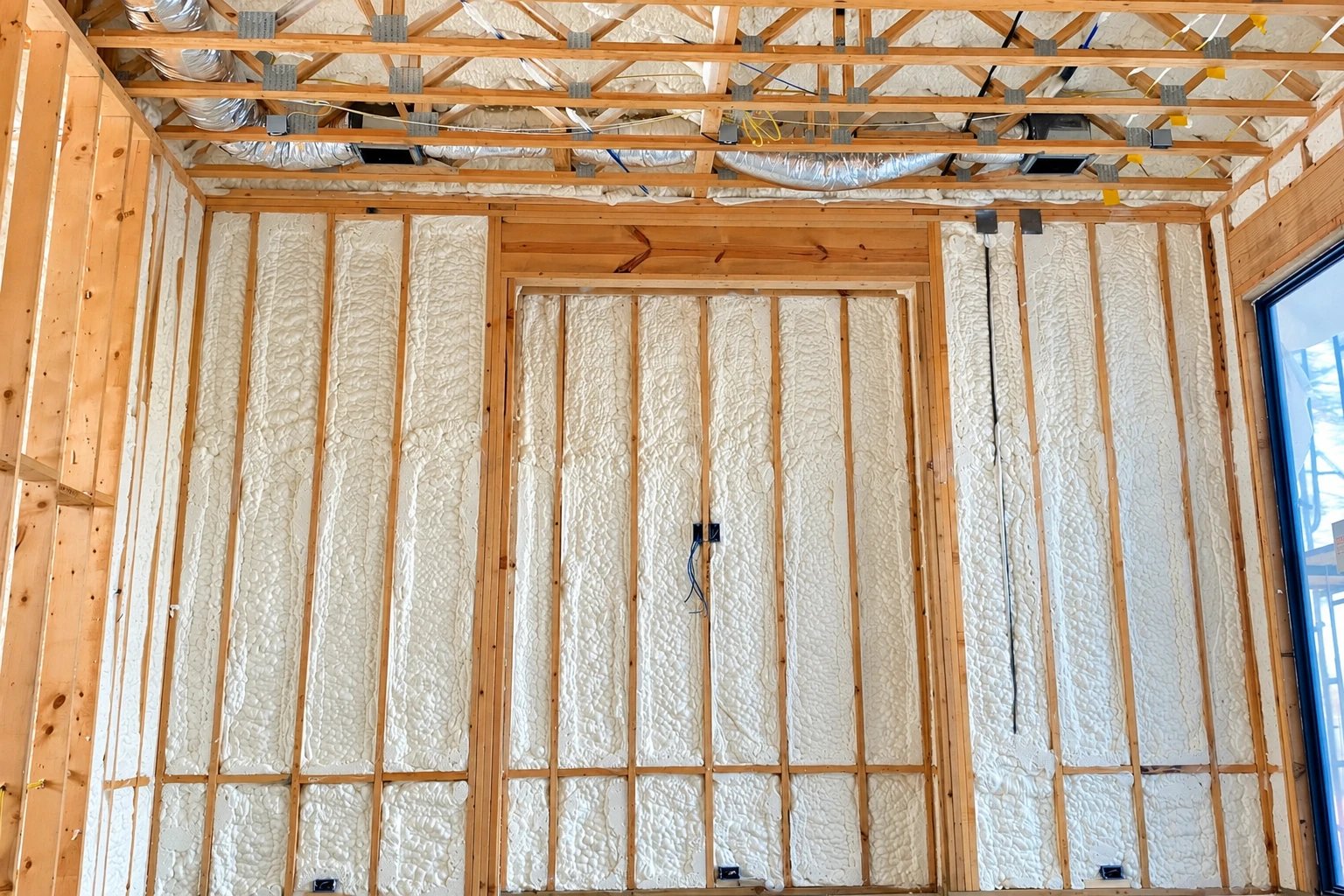
Wall insulation in Indio, CA fills the empty spaces inside your existing outside walls with blown-in insulation, which is loose fill blown through a hose, so heat moves through them more slowly and you don't have to tear out drywall or siding. We're based in Indio and work in the Coachella Valley cities around it.
Usually it starts with a room that stays hot no matter how low the thermostat goes, or an outside wall that feels warm to your hand, and the wall turns out to be empty or holding old fill that has settled. The price mostly follows how much wall we fill, which side we work from and whether an older house needs its wiring or old paint checked first, and the schedule turns on those same things plus how easily we can get into each room. Your estimate comes in writing with each step listed in the order we'll do it, so you can see what each part covers.
I come out in person to look at your walls and write the estimate, so the person who prices your job is the same one who stood in your house.
The state licensing board counts anyone who installs insulating material for temperature or sound control as an insulation contractor, so check that whoever does your walls is licensed. We're fully licensed and insured.
Every hole we drill gets patched smooth and we clean up before we pack the truck, because a better wall shouldn't come with a mess for you to deal with afterward.
I come out first and walk the outside walls with you, and on an older home I ask the build year and the age of the wiring right then, because those answers decide what has to happen before we fill anything. We talk through working from inside or outside based on how your walls are built and finished. On install day our crew covers the floors and furniture near each wall, drills small holes into each cavity, the space between two studs, and fills every one, including the hard-to-reach ones behind cabinets and over windows. Then we patch each hole smooth, clean up, and I check the work over before we call it finished.
Wall work rarely stands alone. Gaps around outlets, pipes and the tops of the walls let air slip right past new insulation, so we often pair this job with air sealing services, closing those gaps so the fill isn't fighting a draft. If your house has a basement, those walls need a different approach than the framed walls above them, and we cover that under basement insulation.
California's Energy Code sets energy efficiency requirements for changes to existing homes, not only new houses and additions, so insulating the walls you already have is work those rules can apply to.
California lets someone without a license take on minor jobs up to $1,000, but only when the work needs no permit and that person employs nobody on the project.
If your household's pre-tax income is at or below 60% of the state median, you may qualify for free energy efficiency upgrades through LIHEAP Weatherization in Riverside County, so it's worth checking first.
We check with the city or county office that covers your address on every job, and when a permit is needed, we pull it and set up the inspections so you don't have to.
Send the form and we'll reply within one business day to set a time. I'll come out, look at your walls and give you a free written estimate, with no obligation.
Tell us roughly when the house was built and how old the wiring is, because those two answers shape what has to happen before any wall gets filled.
Framed walls, concrete block or a mix of both each take a different approach, so a quick note on your wall type helps me bring the right questions to the visit.
Let us know which rooms run hot or which walls feel warm, so I start the visit there and the estimate covers the walls that matter most to you.
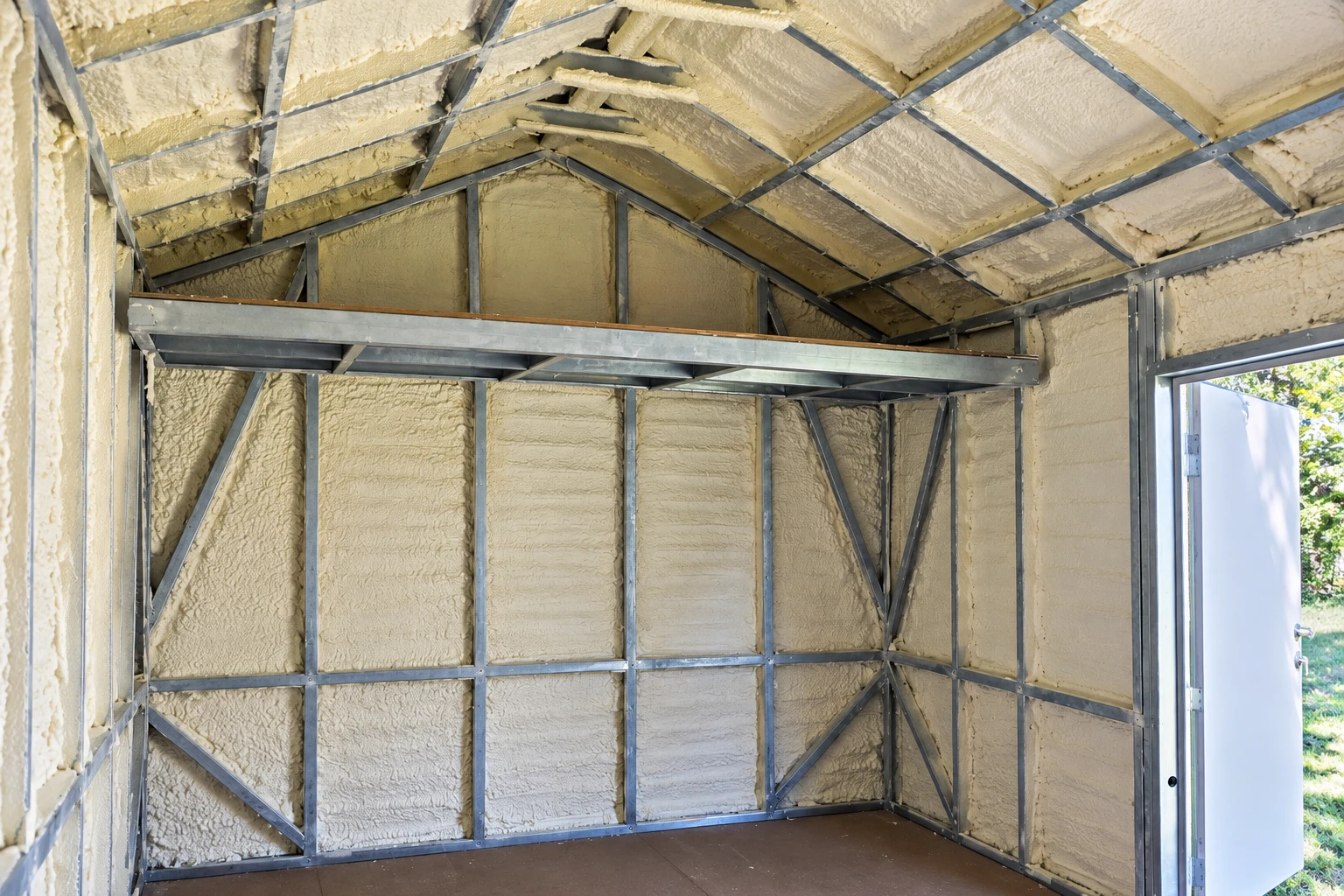
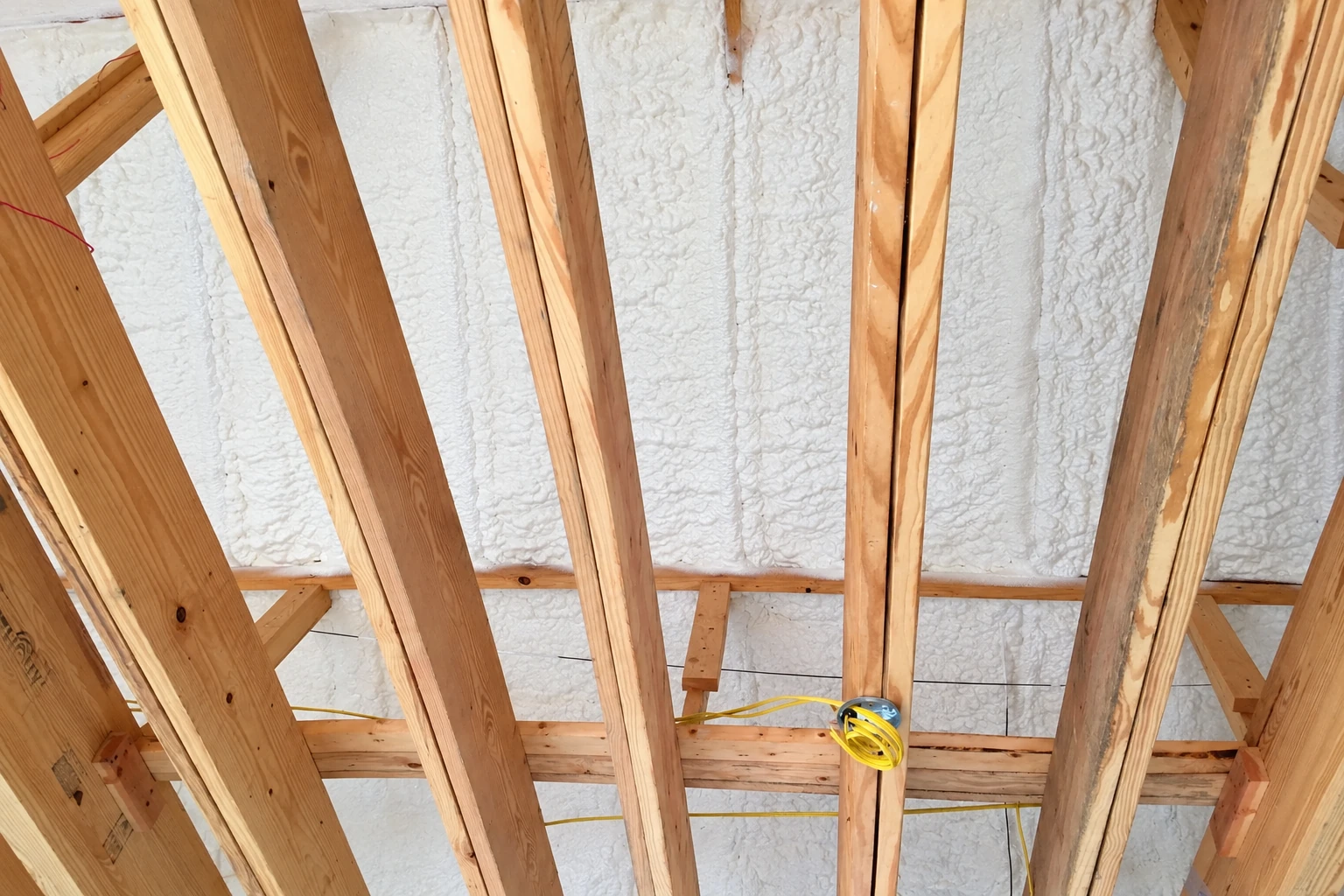
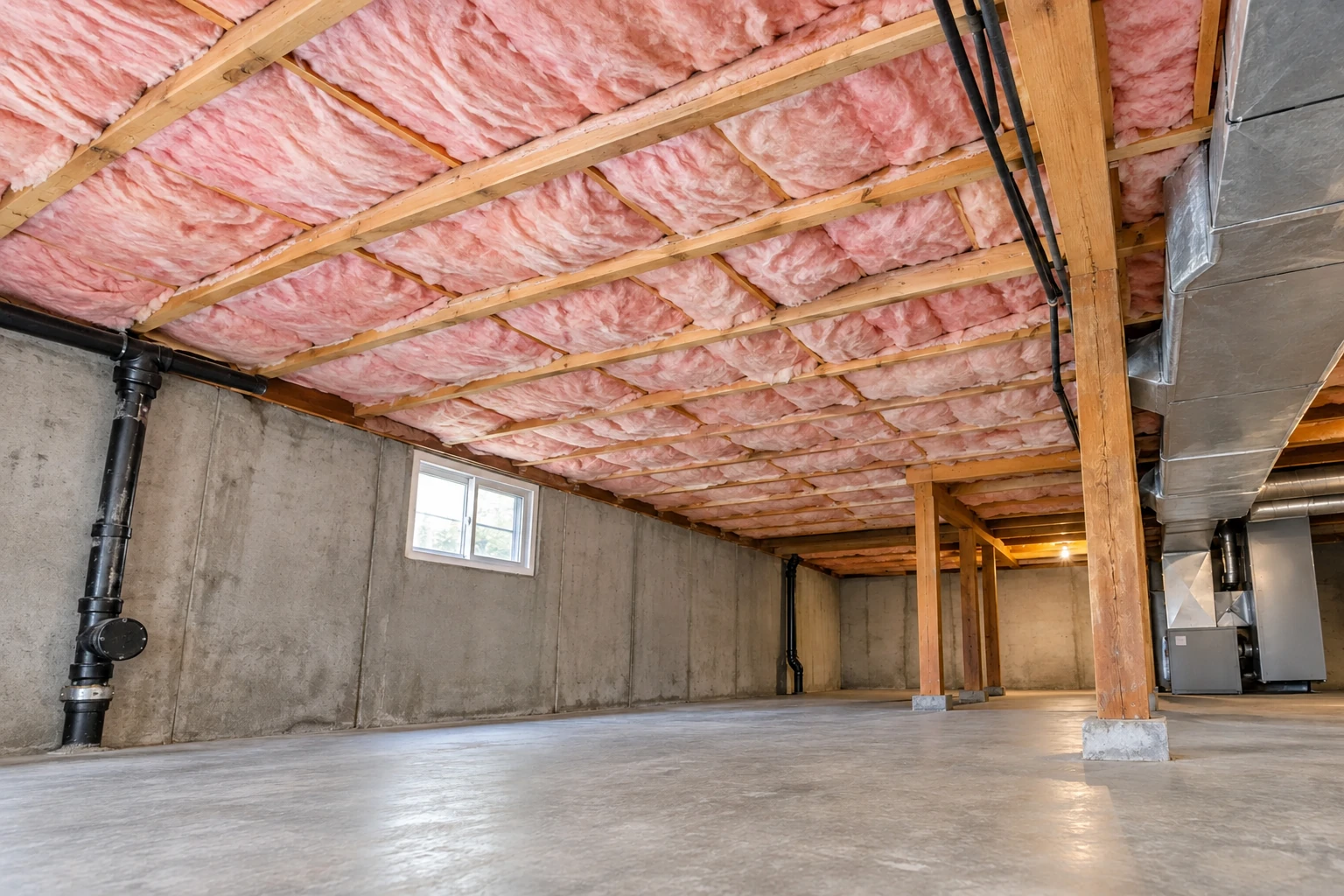
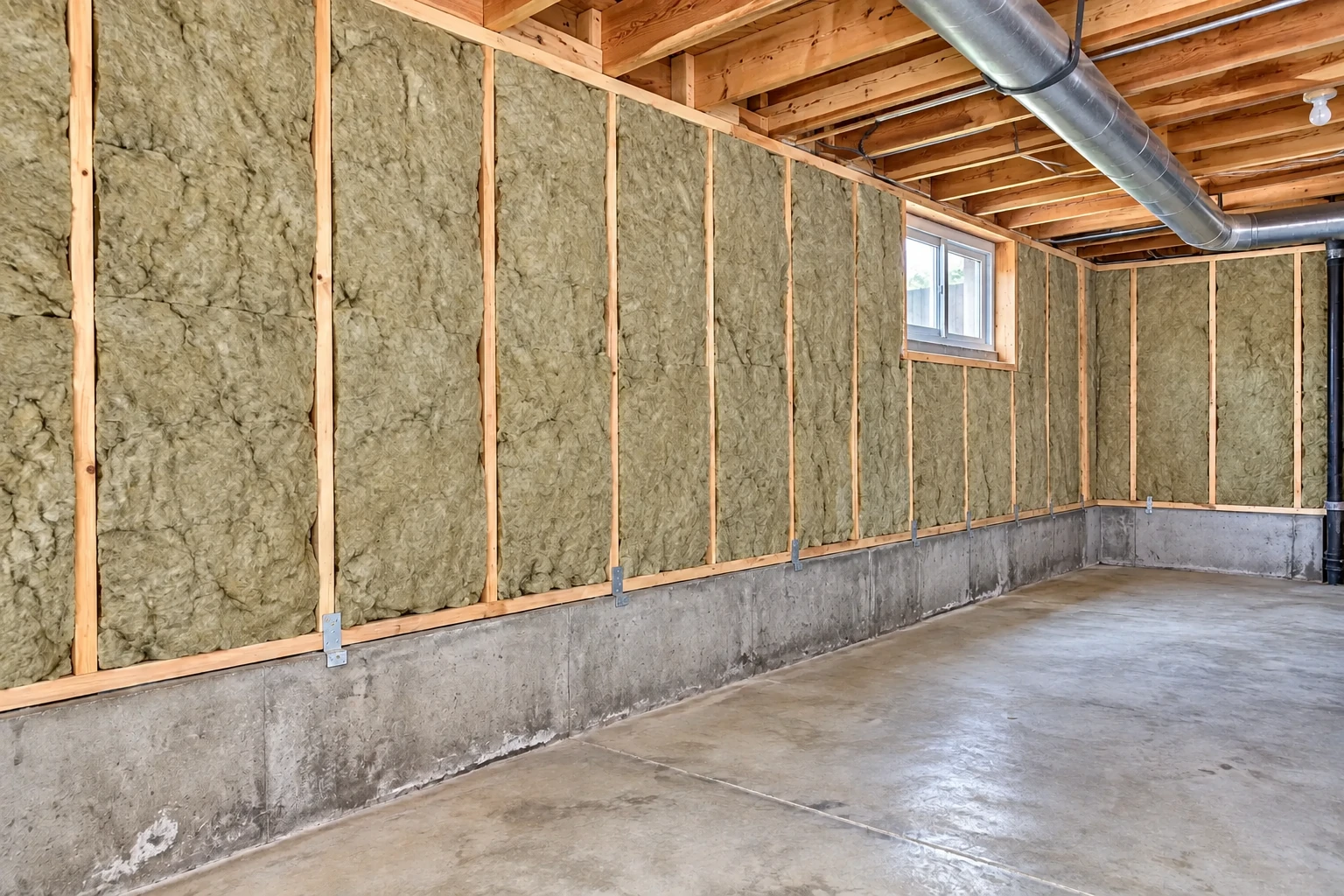
These photos show wall cavities, fill materials and patched finishes like the ones we can talk over when I look at your house.
Straight answers on how wall insulation goes in, what it costs and what an older Indio house may need before we start.
Most existing walls are insulated by drill and fill, a common method that's fairly easy on the house. Small holes go in near the top of each wall cavity, from inside or outside, and the cavity is filled with blown-in insulation. You keep your drywall and siding, and only the holes need patching afterward.
Inside is usually easier on the water side of your wall, because it leaves the drainage plane, the water barrier behind your outer wall covering, untouched. Working from outside breaks that layer, so it then has to be patched or replaced. Which way we go comes down to access and the shape that layer is in.
Installing blown-in wall insulation across the US usually costs about $4 to $4.60 per square foot, and that's a national figure, not our price. Your number depends on how much wall we fill, which side we work from and whether an older home needs steps first. I'll give you yours in writing after I've seen the walls.
An older home often needs two things checked before any wall is filled. Lead safety rules may apply to homes built before 1980, depending on how much wall the work disturbs. One national guide also says the National Electrical Code doesn't allow insulation on or around knob-and-tube wiring, an early style of house wiring, so that question gets settled first.
Not cellulose, by the makers' own advice, since the cellulose makers' trade group doesn't recommend it for filling the cavities of masonry walls like concrete block. If some of your walls are block, ask which material suits them before the job is priced, and we'll go over the choices with you when I look at the house.
Ask how each cavity is confirmed full before the holes are patched, and an infrared camera, which shows heat patterns, is one way to check. Holes made from inside are then patched with drywall or foam plugs and joint compound, sanded smooth and painted. Your satisfaction, guaranteed.
Call (760) 262-0752 or send the form with your build year, wall type and wiring age, and I'll know what to check before I arrive.