
Spray foam insulation
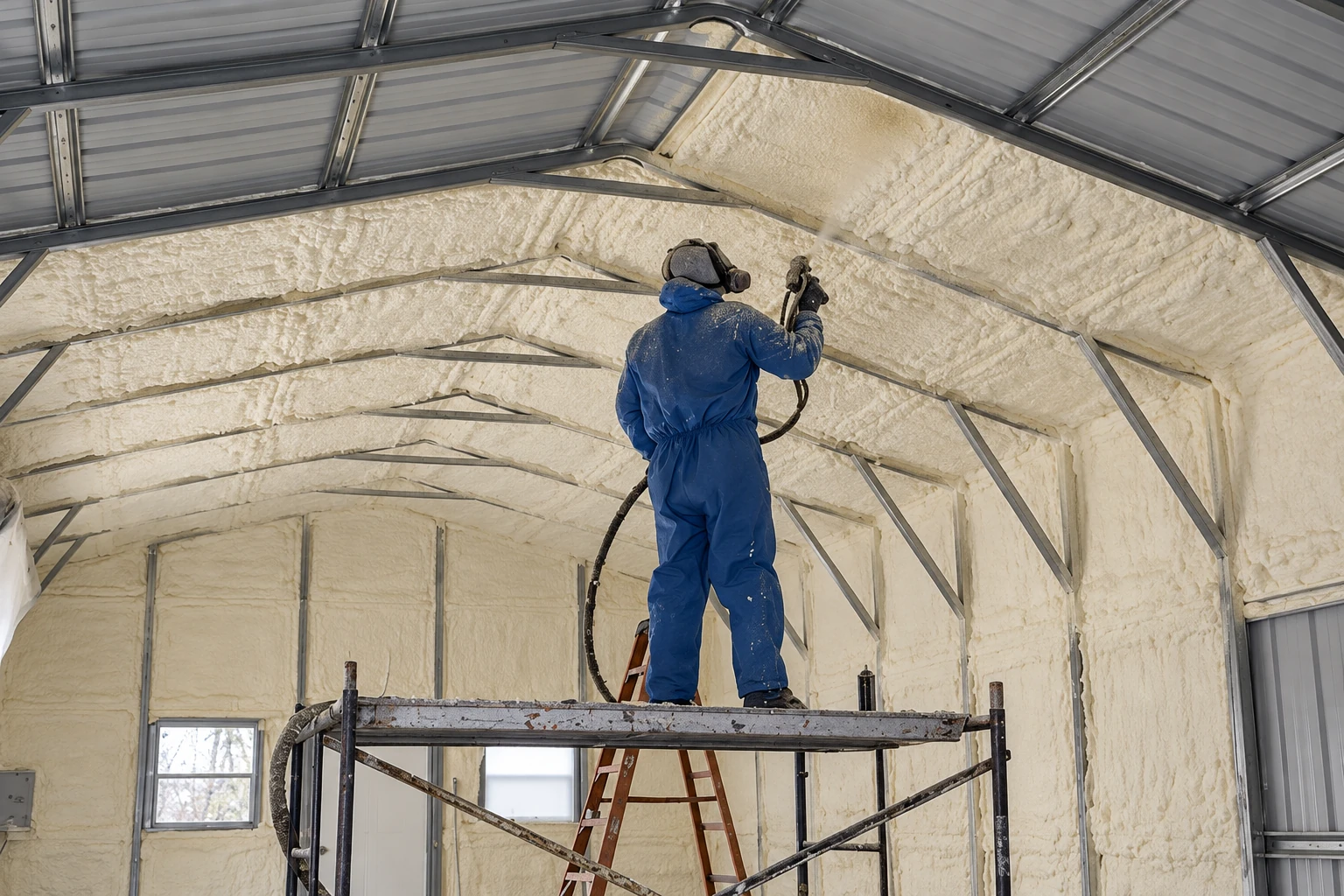
Foam sprayed into rooflines, walls or rim areas that seals air as it insulates. It costs more than loose fill, so we point you to it mainly when ductwork runs through the attic.
Professional Indio Insulation Services is an insulation contractor working in Palm Springs, CA. We insulate attics, walls and crawl spaces, pull out old or damaged insulation, and seal the gaps that let attic air into your rooms.
We're based in Indio, and Palm Springs is one of the Coachella Valley cities we work in, along with Cathedral City next door and Rancho Mirage. We hear from homeowners here who are planning new insulation or wondering if the old stuff should come out, and from property managers with rentals to look after. The price moves with the size of the attic, how easy it is to reach, whether old insulation has to come out first and how many gaps need sealing. The schedule turns on the same things, plus any inspection a permit calls for. I write every estimate myself, and it lists each step in the order we'll do it, so you can see what you're paying for.
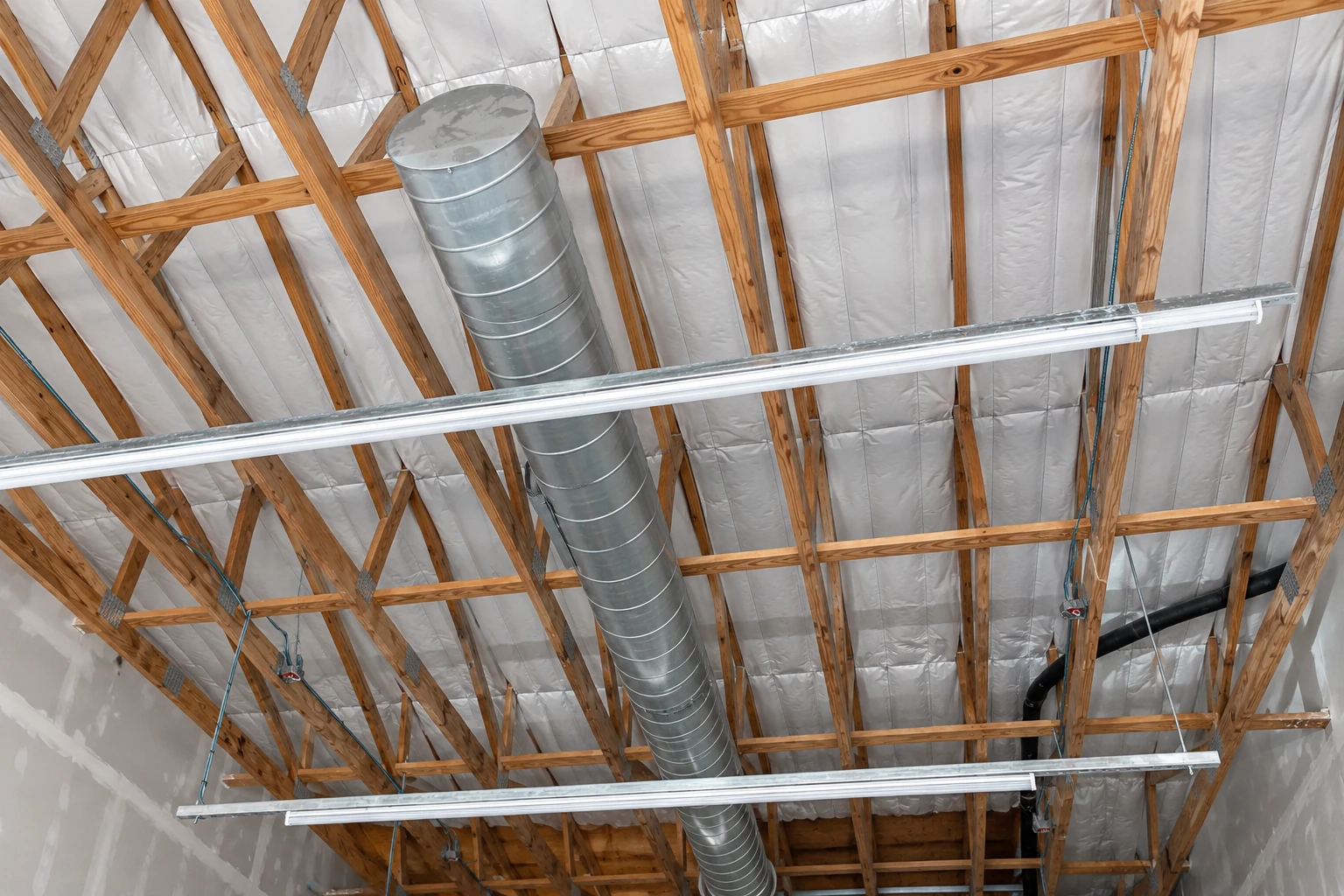
A lot of what we open up in Palm Springs is single-story, so the attic sits over every room and often carries the ductwork too. That's why I check how many inches are already up there and where the ducts run before we talk about foam or loose fill.
The city's Building Department issues permits for work that alters or repairs a building. We check what your job needs, and when a permit's needed we pull it and set up the inspections.
I look over the attic first for wet or dirty insulation and open gaps around lights, pipes and the hatch, because new insulation laid over a problem just hides it.
We build the insulation up evenly out to the walls and keep it back from the eave vents, because thin edges and buried vents are where attics usually go wrong.
Foam sprayed into rooflines, walls or rim areas that seals air as it insulates. It costs more than loose fill, so we point you to it mainly when ductwork runs through the attic.
Most Palm Springs jobs start in the attic. We check what's up there, seal the gaps around lights, pipes and the hatch, then add insulation evenly out to the edges.
Loose fill blown through a hose over what you already have, or onto a bare ceiling. It suits the low, tight attics on single-story houses where nobody can walk around easily.
A whole-house look when the room over the garage runs hot, the floors feel cold or the power bill keeps climbing. We find where the air gets in before suggesting anything.
We vacuum out insulation that's soaked, flattened or full of droppings, bag it and clean up, because fresh material laid over it leaves the problem in place.
For houses on raised floors, we insulate under the floor so the rooms above stop feeling cold underfoot, and we check for moisture before anything goes in.
For older walls left empty or thinly filled, we add insulation through small openings and patch them, so the room looks the way we found it.
We close the gaps where air slips between your rooms, the attic and outside, like plumbing holes, wiring runs and the hatch. It's the step that lets insulation do its job.
For the homes and buildings that have a basement or below-grade room, we check the walls for dampness first, since insulation over a wet wall holds the water against it.
Closed-cell foam is dense foam that also blocks moisture. We use it where air and dampness both need stopping, such as rim joists, crawl space walls or tight spots.
Open-cell foam is a softer, lighter foam that fills odd-shaped cavities and seals air well. It's often sprayed along the roofline when the ducts sit up in the attic.
For property managers with rentals, offices or shops, we work around tenants and schedules, and I walk the building first so the estimate lists each area in order.
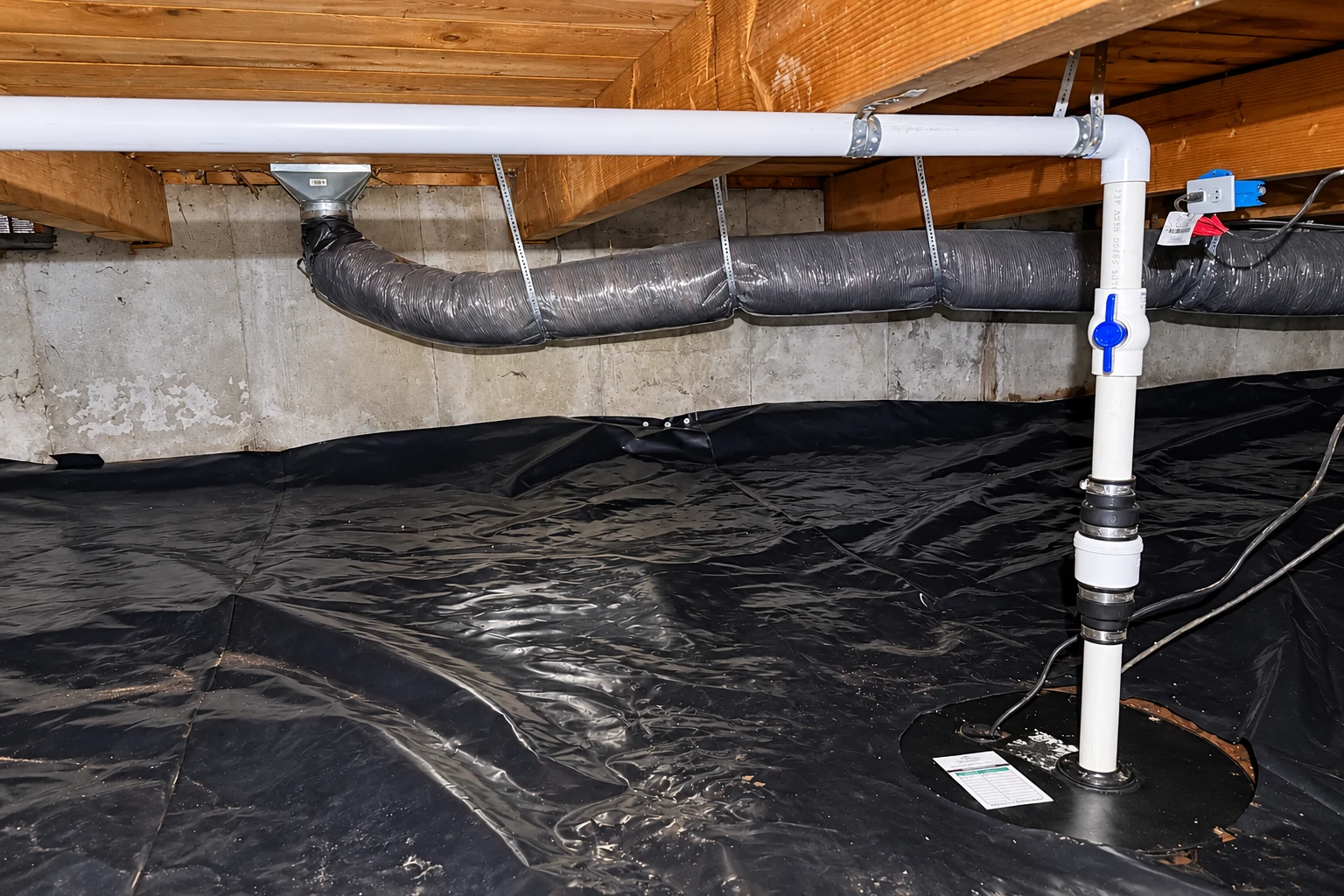
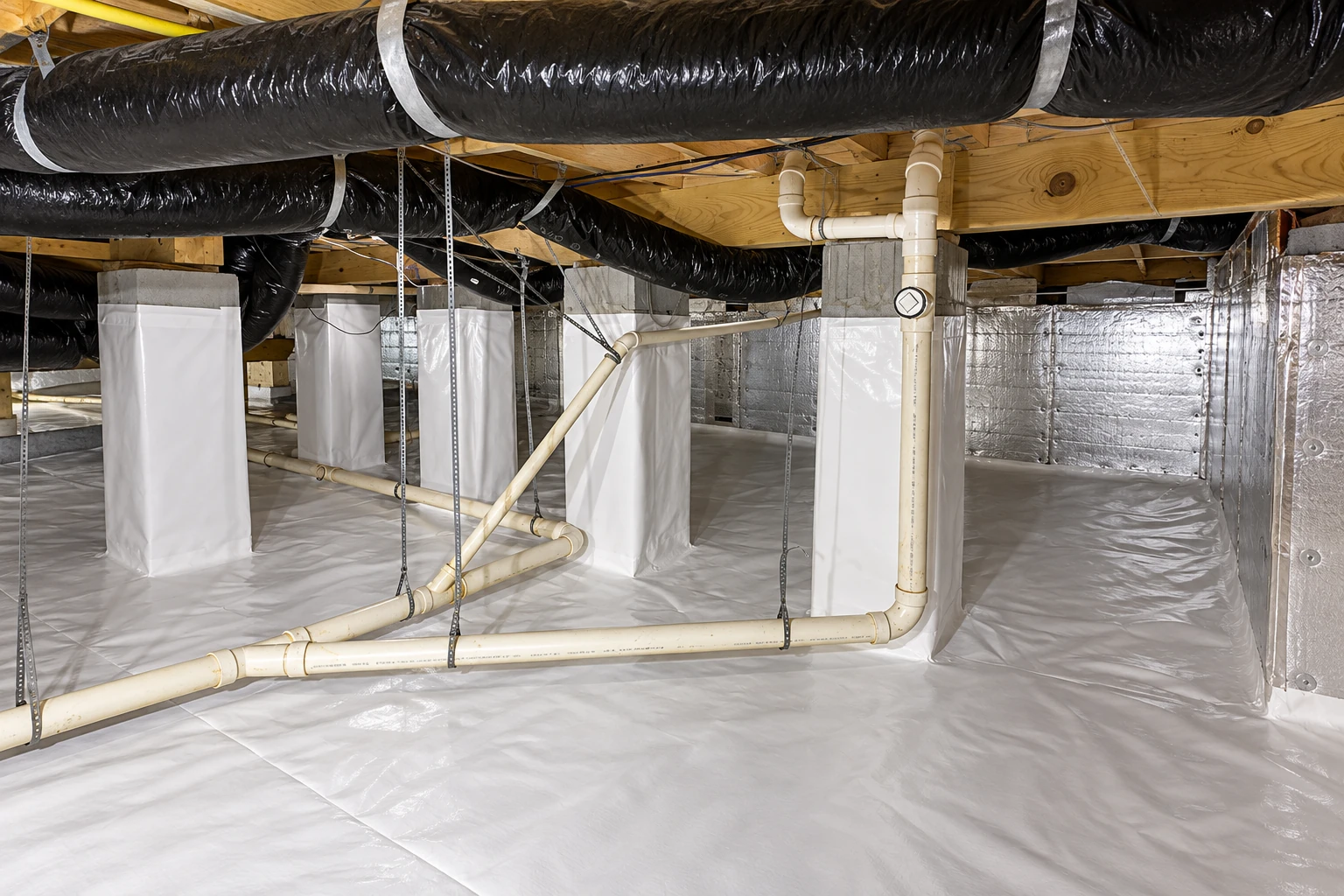
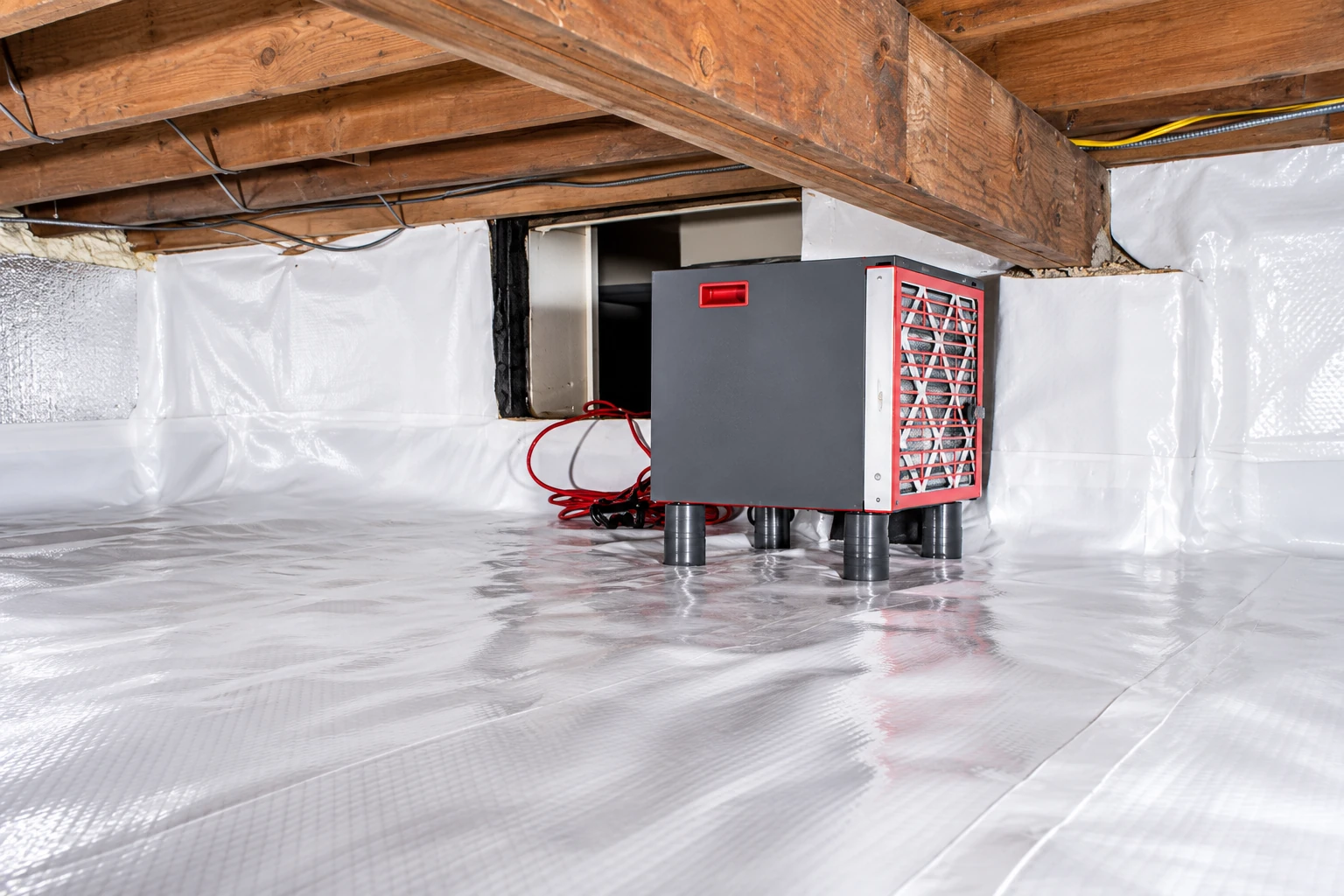
A plastic sheet laid over the crawl space ground and sealed at the seams, so moisture from the soil stays out of the floor framing and the insulation.
A moisture barrier on walls, floors or ceilings where damp air could reach the insulation. We work out which side it belongs on before we install anything.
Before any insulation goes in, we seal around can lights, pipes, wiring and the attic hatch, so the new layer isn't fighting a draft coming up from the rooms below.
Adding or upgrading insulation in a house that's already built and lived in. We plan around finished rooms, furniture and your schedule, and leave the place clean.
Send the form and we'll reply within one business day to set a time. I come out, look at the job myself and give you a free written estimate, with no obligation.
Your estimate lays out the work in the order we'll do it, from checking and sealing to insulating and cleanup, so you can see what each part covers.
I'm the one who comes out and writes it up. Our lead installer runs the crew on the job, and I check the work over before we call it finished.
We're fully licensed and insured, and we pack up so your house looks the way we found it, with the hatch closed and the floors cleaned.
Here are the questions Palm Springs homeowners ask before an insulation job, from permits to when you can come back inside.
Building permit applications in Palm Springs go through the city's Palm Springs Online portal, because the city no longer takes paper applications. The owner or the owner's authorized agent applies. When your insulation job needs a permit, we handle the application and set up the inspections, so you don't have to.
New plan review and permit applications in Palm Springs have to meet the 2025 California Building Standards Code along with the city's own municipal code. That's the standard a permitted job here is reviewed against. You can read the city's building codes page if you want the detail.
For blown-in loose fill you usually don't, though we close off the hatch area and keep kids and pets out of that room while we work. Spray foam is different. The foam maker sets a re-entry time, which is how long before you can come back inside, and I'll tell you that time before we book the day.
Not always. If what's up there is dry, clean and just thin, we usually seal the gaps and add on top of it. If it's been soaked by a roof leak or is full of droppings, it comes out first, because fresh insulation over it leaves the problem in place. I can't tell which until I'm in the attic with a light.
These Coachella Valley cities have their own page on our site. If yours isn't listed, call or send the form and ask, because we're glad to hear from people farther out too.
Call (760) 262-0752 or use the form to ask about your job and its permit steps, since we pick up evenings and weekends too.