
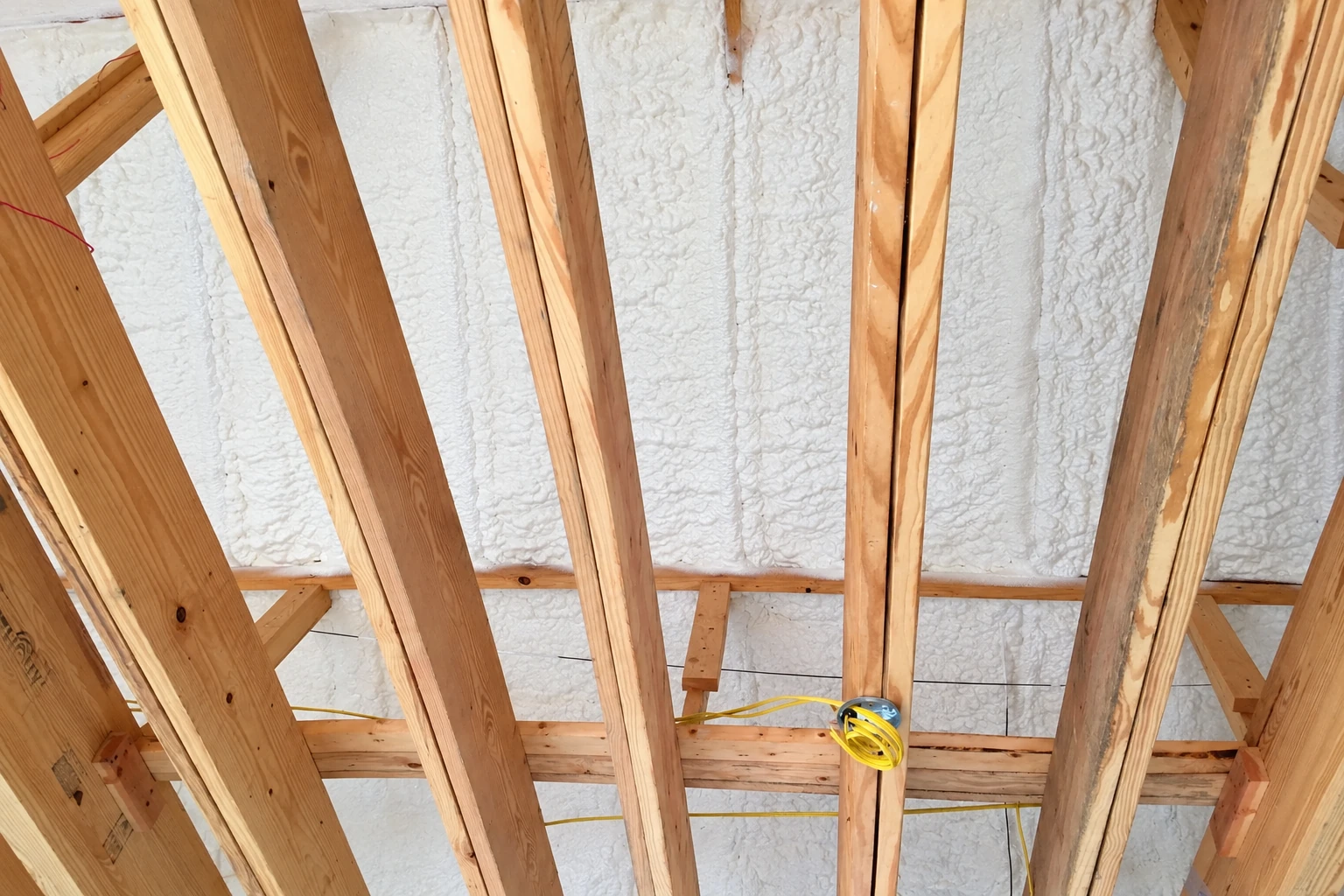
Spray foam insulation
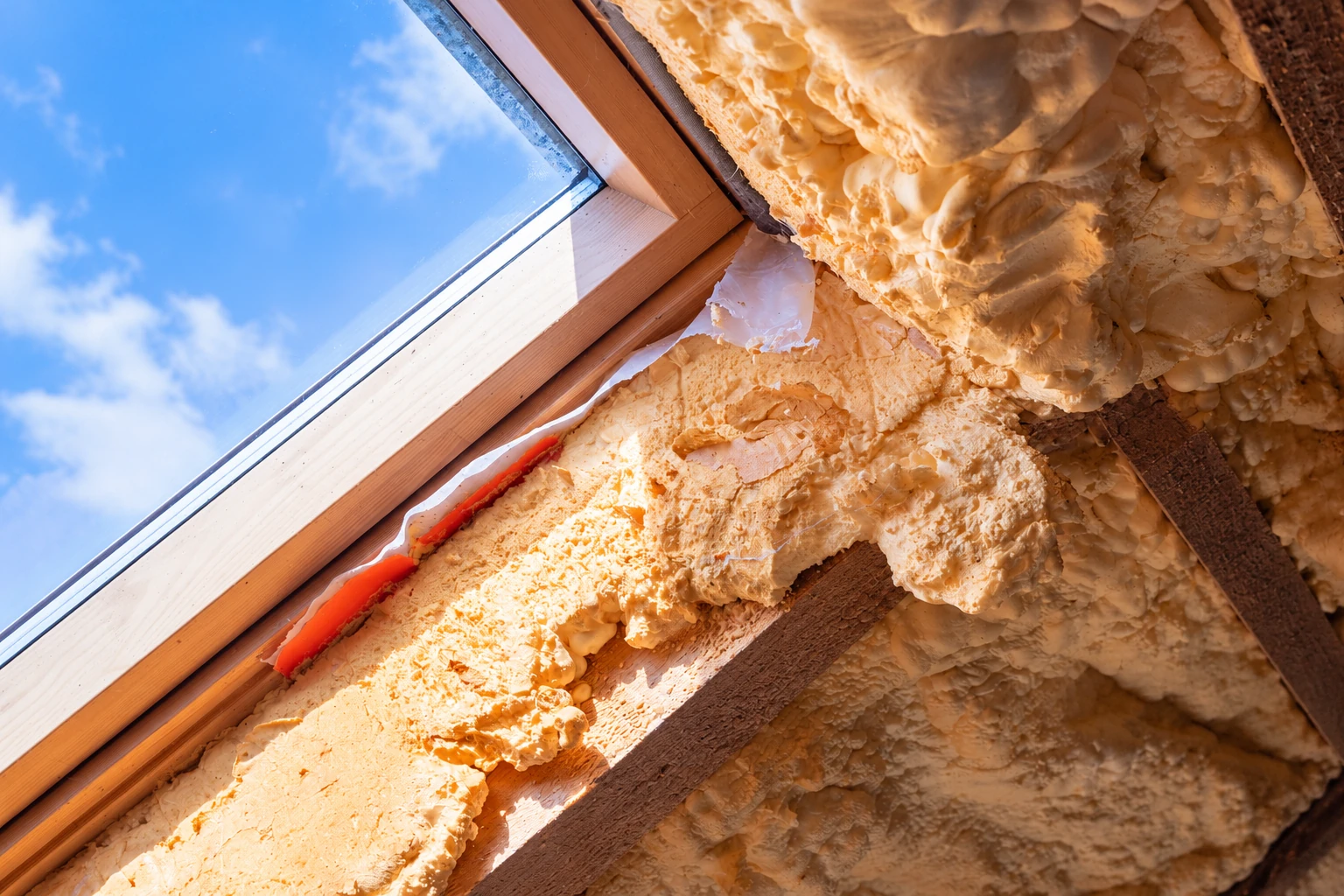
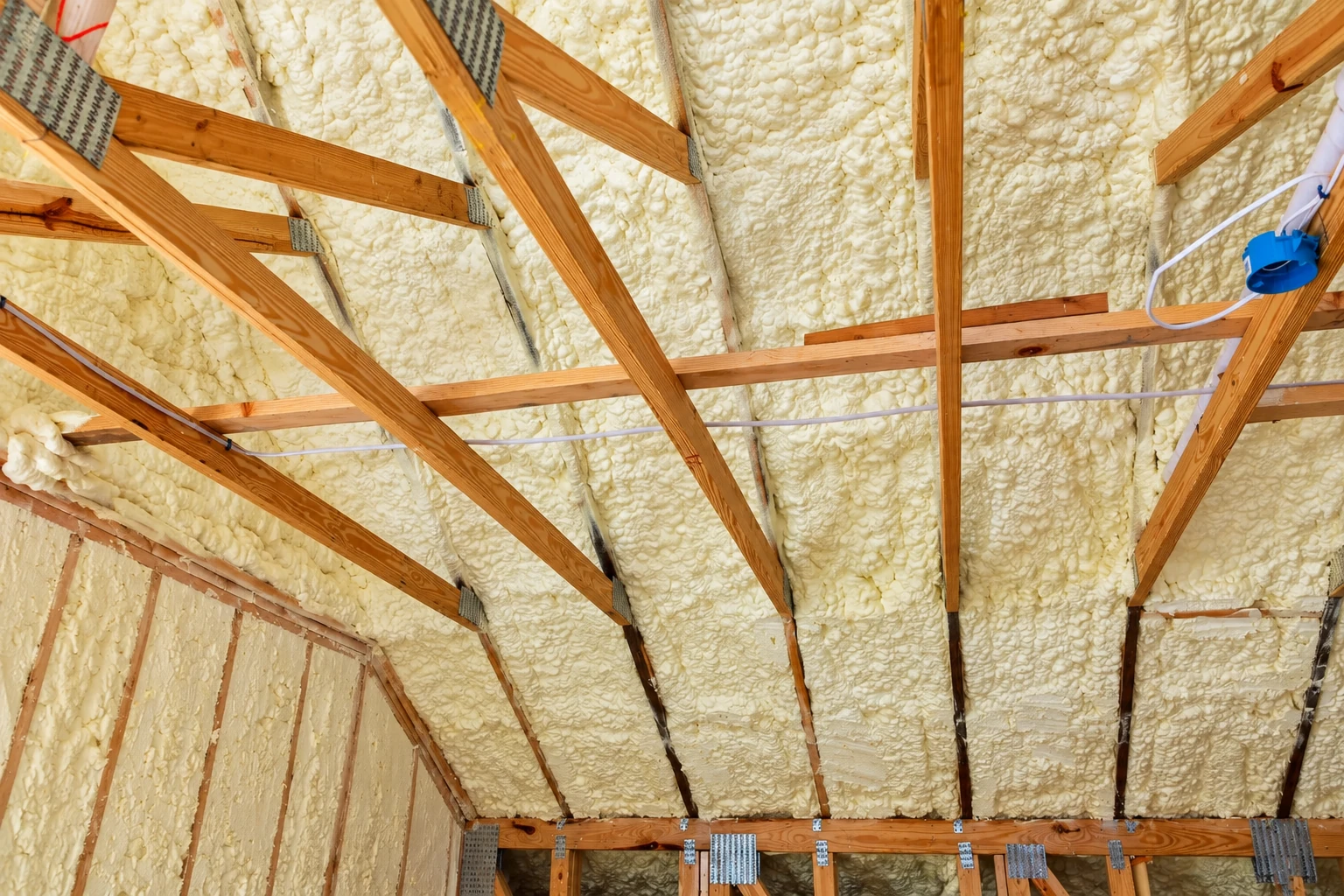
Foam costs more than loose fill but seals air while it insulates, so we usually suggest it when the ductwork runs through the attic and needs that seal around it.
Professional Indio Insulation Services is an insulation contractor based in Indio that works in Desert Palms. We check and seal attics, walls and crawl spaces before adding insulation, and we pull out old insulation that's past saving.
Desert Palms sits between Thousand Palms on the west and Indio on the east, with I-10 along its south edge, so it's a short drive from where we're based. Much of it is Sun City Palm Desert, a 55+ community, and Domani Palm Desert is a newer community inside the same lines. It's unincorporated, so the County of Riverside handles building here, not a city.
Price moves with how many inches are already up there, whether old insulation has to come out first and how many gaps need sealing, and the schedule turns on the same things. Your written estimate lists each step in the order we'll do it. Out here the wind adds a step. The county's building rules note that desert gusts and blown sand wear on building materials, and in an attic that shows up as sand drifted against the eaves and a fine layer of dust on the old insulation.
Blown sand settles in the eave vents, and if new insulation buries them too, the attic can't breathe and moisture shows up in the framing. So we open them before anything goes in.
Air sealing comes first. We close the gaps around can lights, pipes and the hatch, because insulation laid over an open gap just fights a draft full of dust and hot air.
Desert Palms is unincorporated, so we check permits with the county for each job, and when one's needed we pull it and set up the inspections. We're fully licensed and insured.
Foam costs more than loose fill but seals air while it insulates, so we usually suggest it when the ductwork runs through the attic and needs that seal around it.
We check the attic for sand in the vents, droppings and old water stains, seal the gaps, then build the insulation up evenly, full depth at the edges as well as the middle.
Blown-in is loose fill blown through a hose, and it's how we usually top up an attic that already has a few inches, once the gaps underneath are sealed.
When a few rooms never cool down or the power bill keeps climbing, we look at the attic, walls and the room over the garage together and tell you what to fix first.
If the old insulation is soaked, flattened or full of droppings, we take it out and clean up before new goes in, because covering it just keeps the problem.
If your house sits over a crawl space instead of a slab, we insulate under the floor so the rooms above stop feeling cold underfoot in winter.
For a wall with little or nothing inside, we fill the cavities through small holes and patch them, so the wall looks the way we found it.
We close the spots where outside air and dust get in, around can lights, plumbing, wiring holes and the attic hatch, before any insulation goes over them.
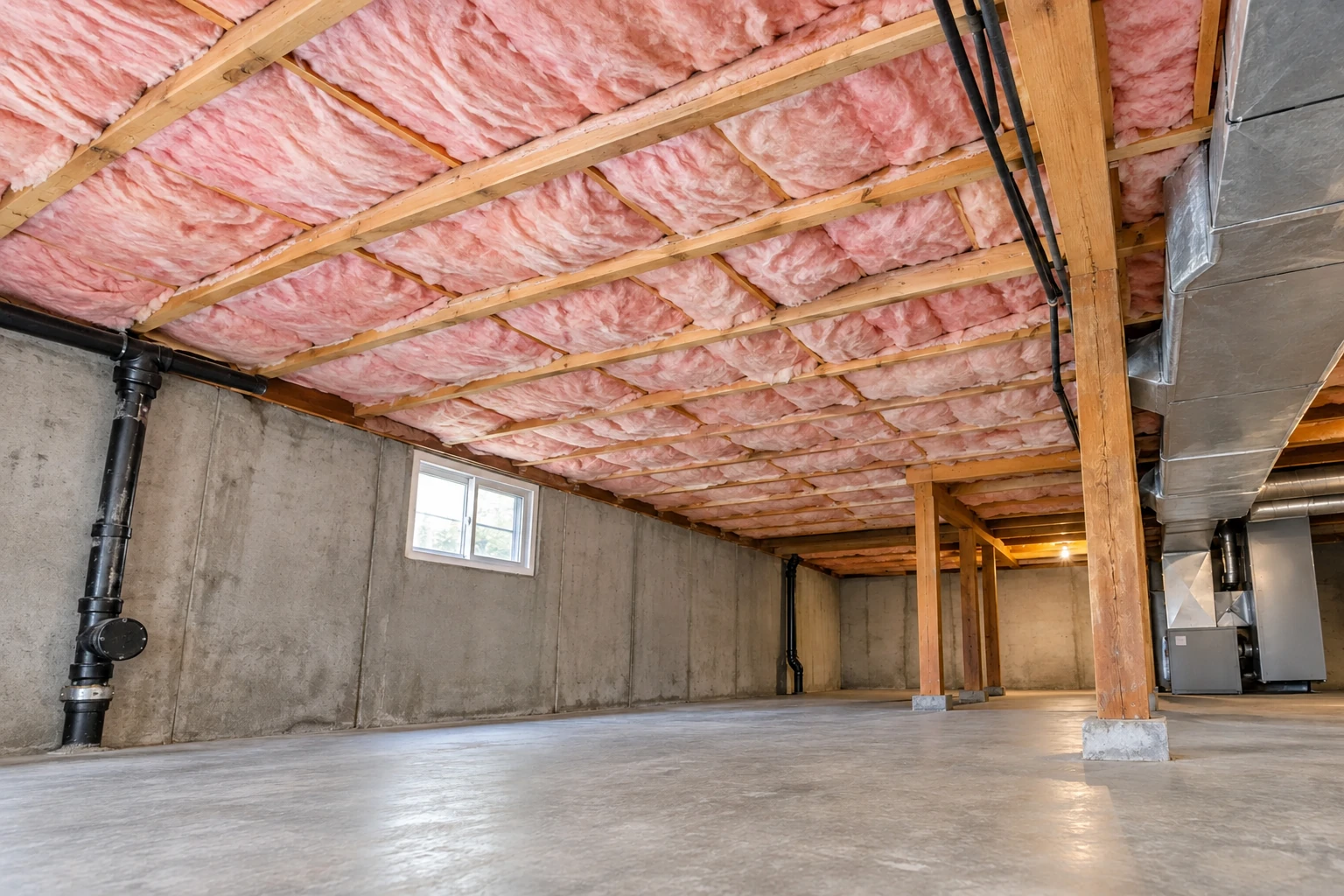
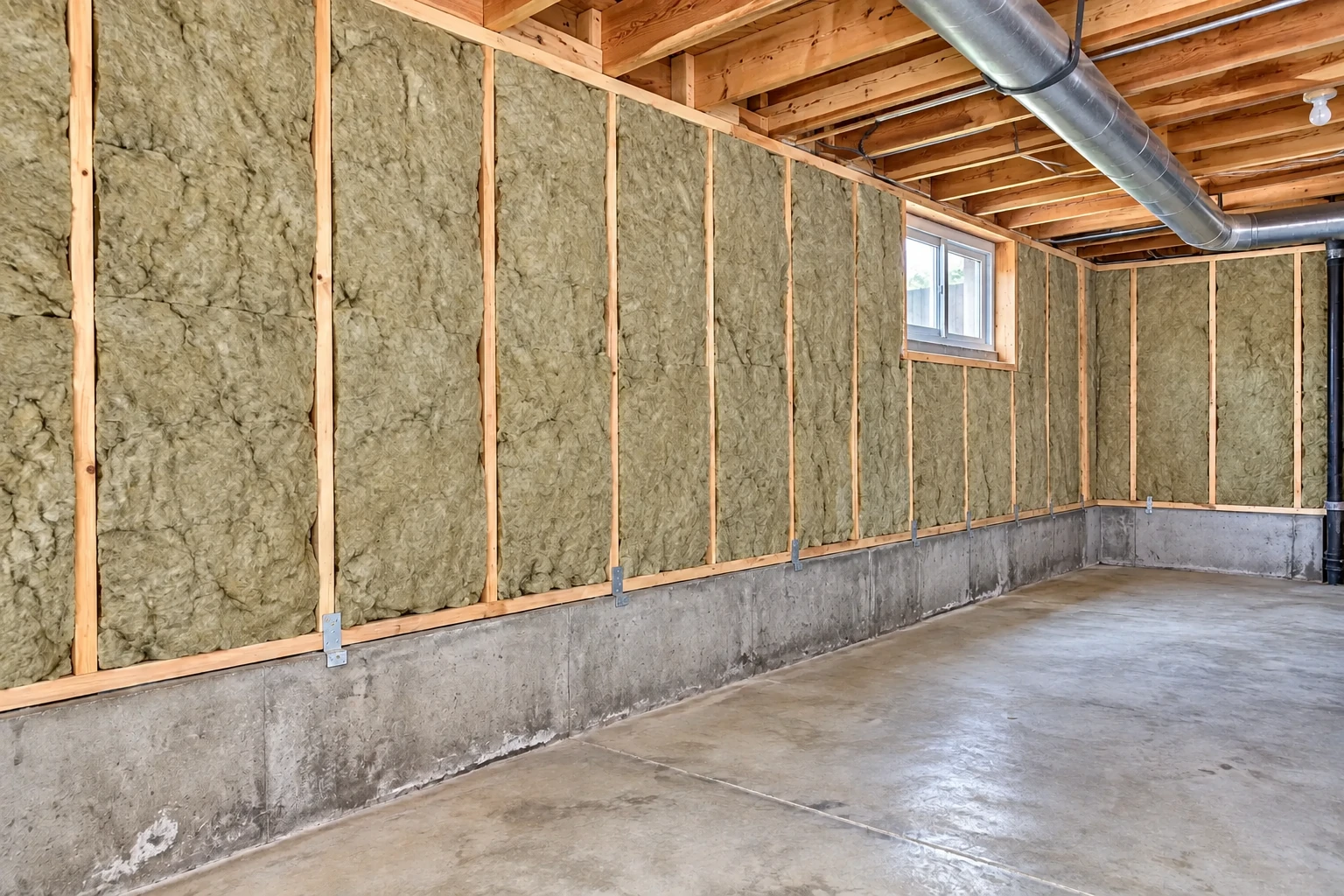
Basements are rare in the desert, but when a house has one or a below-grade room, we insulate the walls so the space feels like the rest of the house.
Closed-cell foam is dense foam that also blocks moisture, so it's the one we reach for where a wall or roof deck has to keep out water vapor as well as heat.
Open-cell foam is softer and lighter, seals air and quiets noise, and it often suits roof lines and the room over the garage where moisture isn't the main worry.
Property managers call us for offices, rentals and shops, and we plan the work around tenants and business hours so the job doesn't shut the place down.
We lay a sealed plastic sheet over the crawl space ground so moisture from the soil stays down there instead of rising into the floor framing and insulation.
A vapor barrier has to go on the right side of the insulation to keep moisture out of a wall or ceiling, because on the wrong side it traps moisture instead.
In a windy place like this, attic gaps pull in fine dust along with hot air, so we seal the hatch, the tops of the walls and every hole cut for wires or pipes.
For a house that's been lived in for years, we add insulation where it's missing or thin without tearing into finished rooms, working from what's already in place.
Send the form and we'll reply within one business day to set up a visit. The estimate is free, done on site and comes with no obligation.
I check how many inches are already up there, whether any of it is wet or full of droppings, and how the vents and gaps look, because that decides the steps.
Your estimate lists the work in the order we'll do it, checking and sealing first and insulating after, so you can see that nothing gets skipped.
Our lead installer runs the crew, then I go over the work before we finish, and we leave the house the way we found it. Your satisfaction, guaranteed.
Here's what people in Desert Palms ask us about permits, licenses, down payments and old insulation before the work starts.
The county's list of work that needs no permit doesn't name insulation, so it's a question for Riverside County Building and Safety, the office that issues permits here. That list covers finish work like painting, tiling, cabinets and countertops, and even exempt work still has to meet code. We check for each job and pull the permit when one's needed.
Yes, a contractor needs a state license unless the whole job stays under $1,000, uses no employees, needs no building permit and isn't advertised as licensed. The State Contractors Board issues it, and splitting a bigger job to get under that line isn't allowed. The county has no business license, but state-licensed contractors working here need its stormwater registration. We're fully licensed and insured.
No more than $1,000, and less than that on a smaller contract, under the state board's rules for home improvement work. Those rules cover insulation like any other home project. If someone asks for more up front, that's a good reason to slow down and ask questions before you sign.
Not always. If it's dry and clean, we usually seal the gaps and build on top of it, but insulation that's been soaked or is full of droppings comes out first, because covering it keeps the problem in your attic. I can't tell which until I'm up there looking, which is why every estimate starts in the attic.
Each city below has its own page on our site, and we work in others around the Coachella Valley too. If yours isn't listed, call (760) 262-0752 and ask.
Call (760) 262-0752 or send the form after work, since our phones are open until 11 PM on weekdays and 10 PM on weekends.