
The attic over your rooms
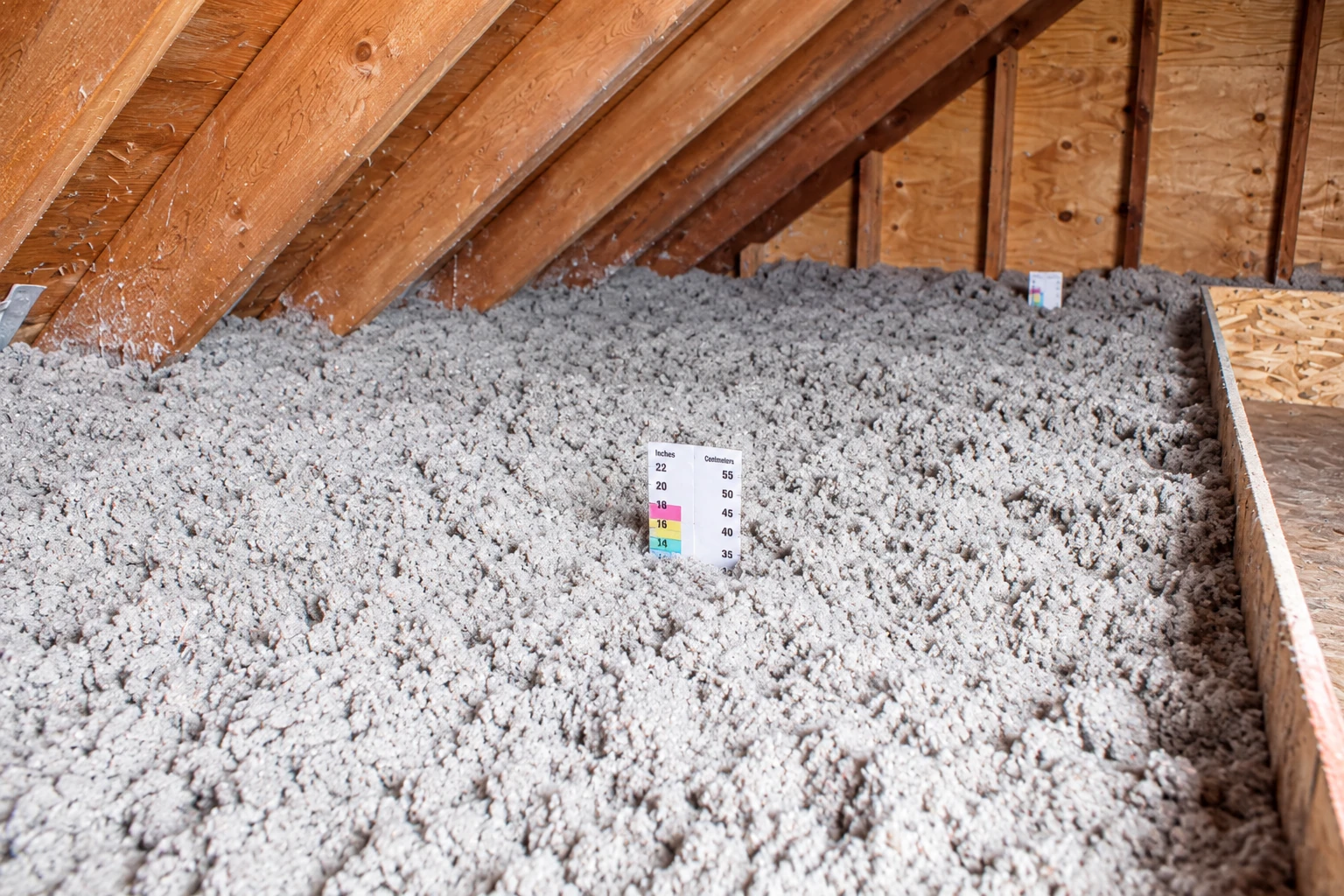
In summer the attic gets hotter than any room in the house, so it's usually where we start. We seal what's open and bring the coverage up evenly across the whole ceiling.
Hot upstairs, drafty rooms or a power bill that climbs every summer? We check and seal first, then insulate where your house needs it.
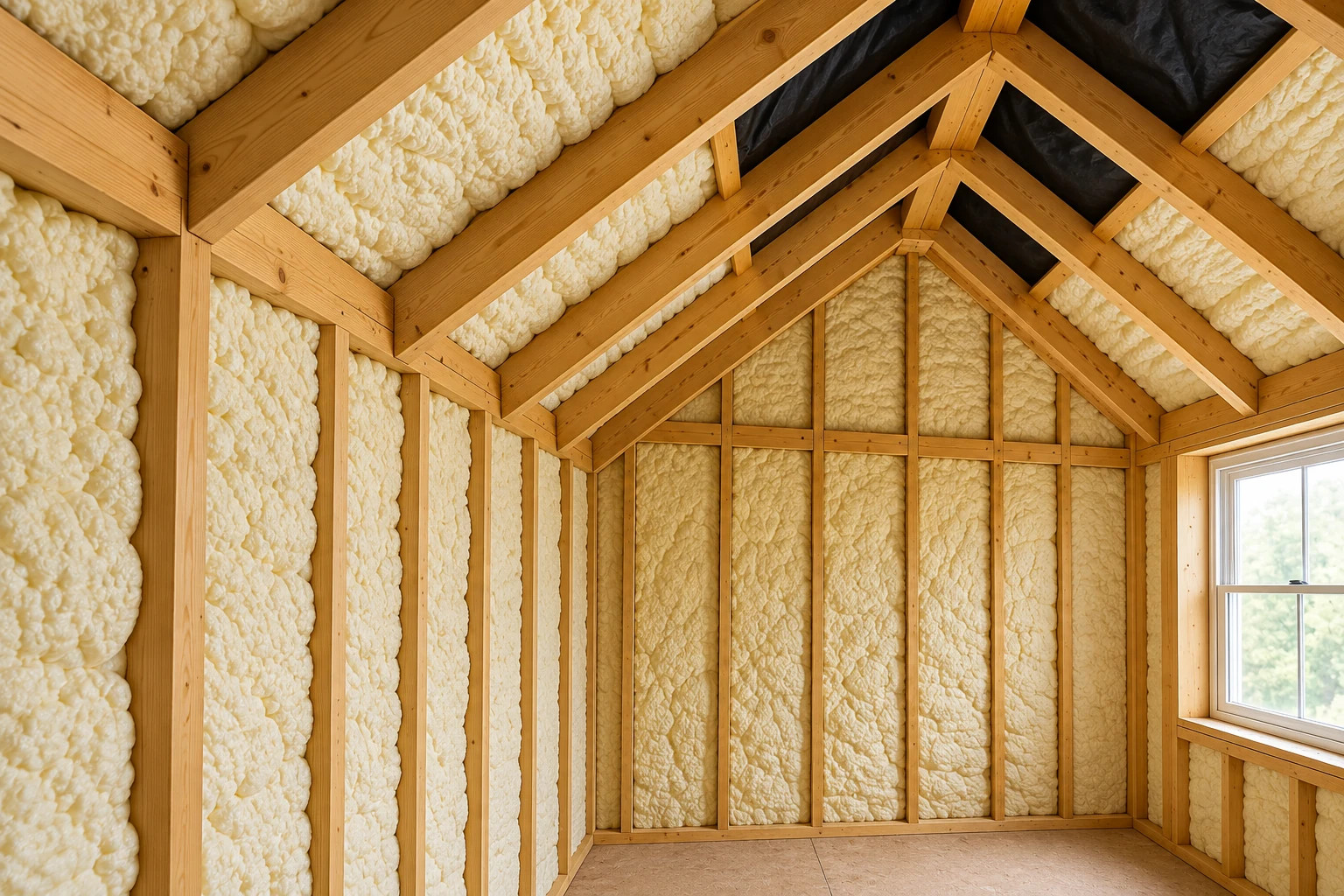
Home insulation in Indio means finding where your house loses its cool air, sealing those gaps and adding insulation to the attic, floors and crawl space so every room holds a steady temperature. Professional Indio Insulation Services is based in Indio and works in the Coachella Valley cities around it.
Most calls start with a room that's hot upstairs, a room over the garage nobody wants to sit in, or old insulation you're not sure about. The price moves with how much of the house needs work, how many inches are already up there and what shape they're in, how many gaps need sealing, and whether old material has to come out first through insulation removal. The schedule turns on those same things plus how easy your attic and crawl space are to get into, and your written estimate lays it all out, each step in the order we'll do it.
I come out to see the job and write the estimate, so the person telling you what your house needs is the same one who checks the work before we call it finished.
Your estimate lists each step in the order we'll do it, checking and sealing before insulating, because a skipped step in a house costs you later, just like it does in a kitchen.
We're fully licensed and insured, and the state licensing board licenses contractors here. Only minor work up to $1,000 that needs no permit, done by someone with no employees, skips that requirement.
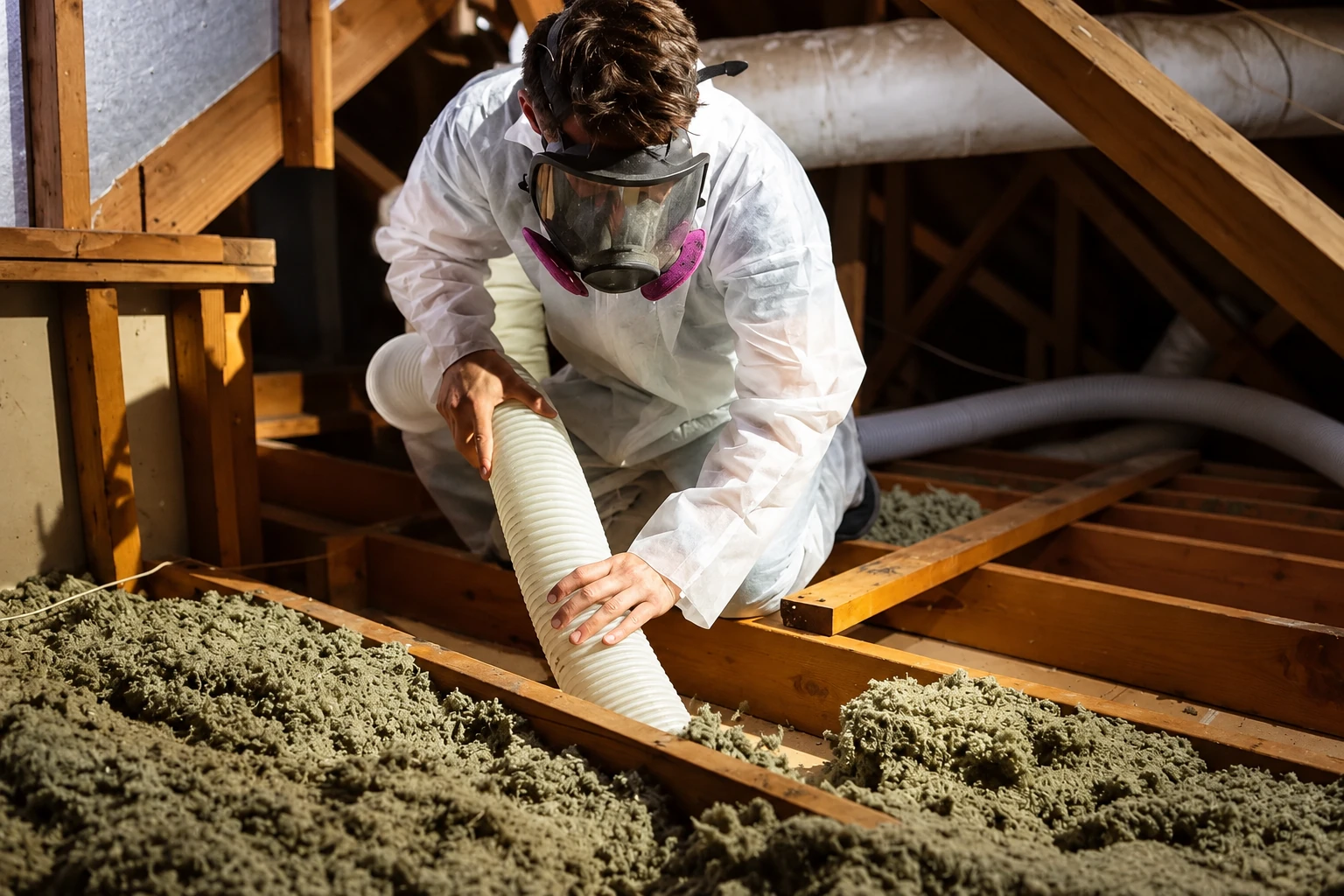
I start by walking the whole house, from the attic down to the floors and crawl space, and I tell you where the gaps matter most before I suggest anything. In the attic I check how many inches are already there and what shape they're in, because fresh material laid over insulation that got soaked or filled with droppings just buries the problem, and some of that I can't judge until I'm up there with a light. Then the crew seals the gaps around light fixtures, pipes and the attic hatch, so the new insulation isn't fighting a draft. After that we add the insulation, usually blown-in, which is loose fill sent through a hose, and we keep it as deep at the edges as in the middle while leaving the eave vents clear so the attic can still breathe. If a radiant barrier makes sense for your attic I'll explain why, and if it doesn't I'll say so. Our lead installer runs the crew, I check the work over before we call it finished, and we leave your house looking the way we found it.
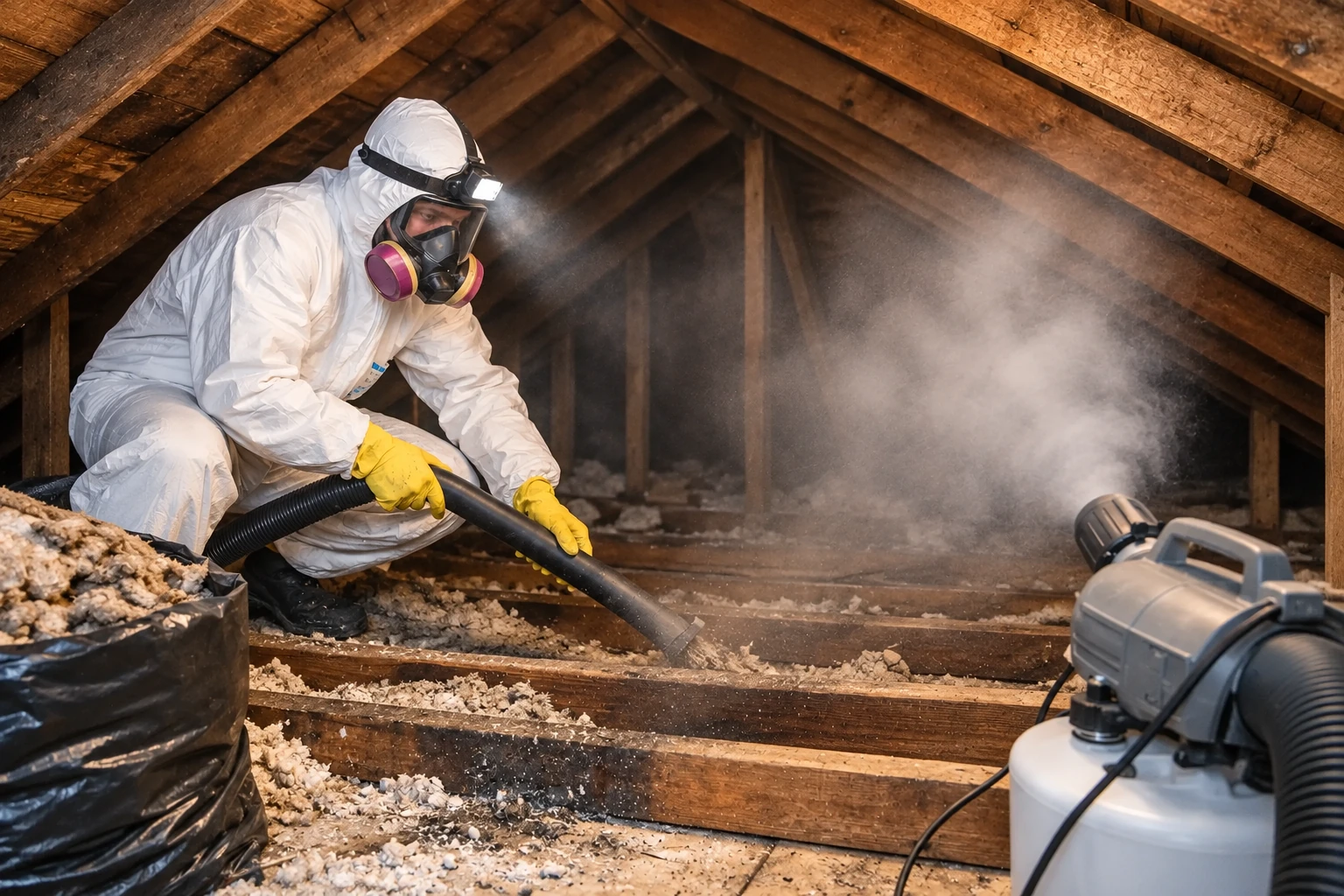
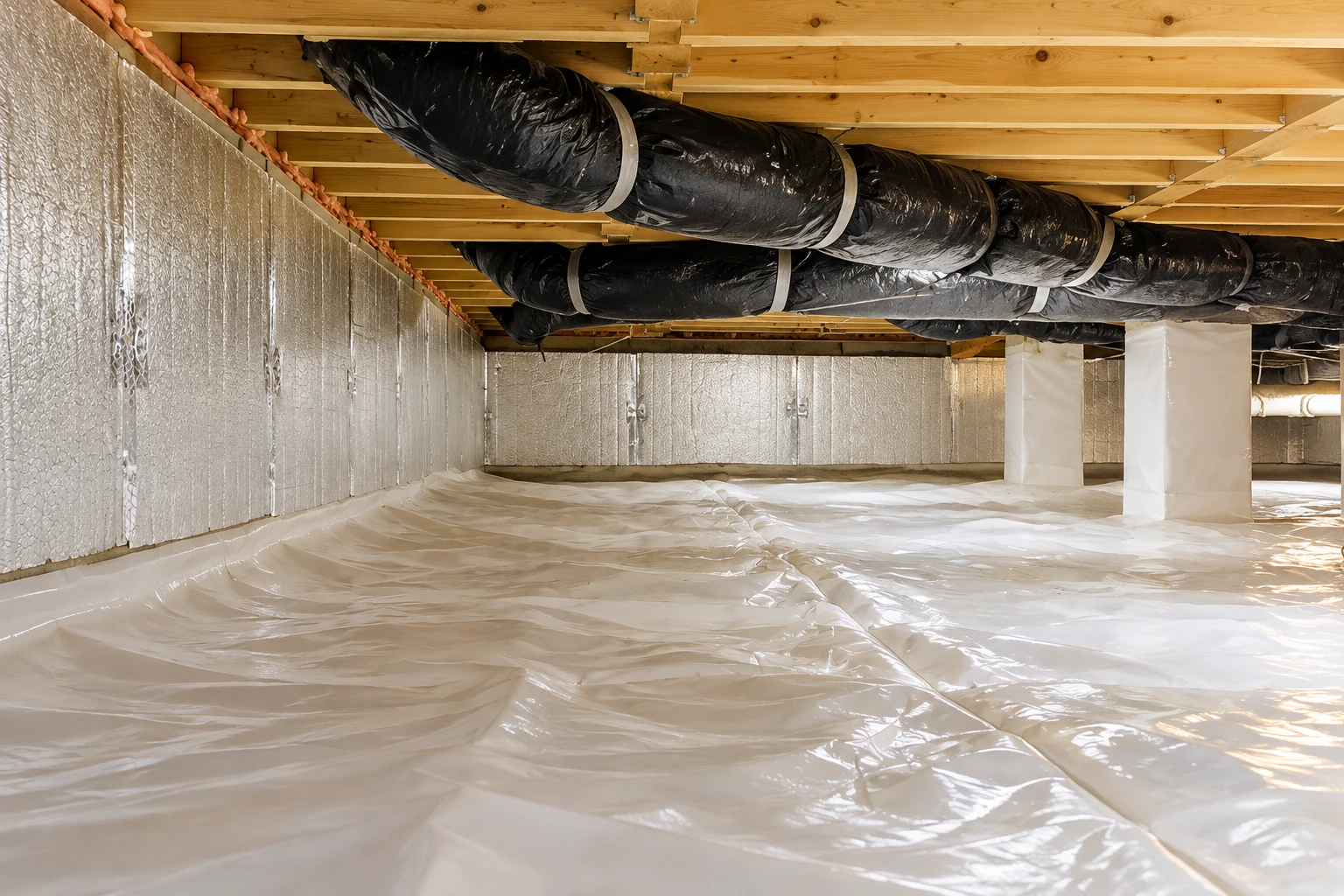
Two jobs often tie into this one. When the old material is wet, dirty or full of droppings, insulation removal comes first so the new layer starts clean. If the floors feel cold or the rooms over the crawl space never settle, crawl space insulation takes care of the house from underneath.
In summer the attic gets hotter than any room in the house, so it's usually where we start. We seal what's open and bring the coverage up evenly across the whole ceiling.
That room runs hot because heat comes at it from more than one side. We check how the garage attic connects to the house before deciding what that ceiling needs.
Air that slips up through the floor makes rooms feel uneven no matter what the thermostat says. We look underneath during the estimate, so the floors get planned in with the attic.
California's energy rules call for insulation installed properly in new homes and larger additions, and a third-party rater checks it. If you're adding on, we plan the insulation around that check.
Send the form and we'll reply within one business day. I'll come out, look the house over and give you a free written estimate with no obligation, each step listed in the order we'll do it.
Tell us if the hatch is in a closet, the hallway or the garage, so I know where we'll be working and what we'll need to cover or move before the crew starts.
Let us know if your ceilings have recessed lights, because the gaps around them leak a lot of air into the attic and each one gets sealed before insulation goes over it.
If you know whether the attic over the garage is walled off from the house, mention it, since that decides how much of the ceiling needs insulation.
These photos show blown-in attic coverage, sealed light fixtures, clear eave vents and radiant barrier foil, so you can point to what you're picturing.
Here are the questions homeowners in Indio ask most when they're deciding what a full insulation job should include.
Yes. Energy guidance for existing attics has blown insulation go in after the ceiling is air sealed, which means closing the gaps before insulating. Once the insulation is down, those gaps are buried and hard to reach, so a complete quote should cover the sealing and the insulation together. Ours lists both, in that order.
In a hot, sunny place it often is. A radiant barrier is rolled foil that reflects heat, and research finds it cuts the heat moving across an attic by a significant amount, which lowers the cooling load and, to a lesser degree, the heating load. Whether it fits your attic depends on what I find up there, and I'll tell you either way.
Usually yes, if the attic is open over both the garage and the house. State energy guidance says to insulate the whole ceiling of an open attic, garage included. When a continuous air barrier walls off the garage side, only the part over heated and cooled rooms needs it, and that's one of the first things I check.
Attic insulation around Riverside usually runs about $1,500 to $5,000 per job. Where yours lands depends on the size of the attic, how many inches are already there, how many gaps need sealing and whether old material has to come out first. Your free written estimate gives you the figure for your house.
For recessed lights rated for insulation contact, the fix is caulk where the fixture meets the ceiling plus a cover over the fixture from the attic side. Those gaps let a lot of air leak into the attic, so we deal with each light before any insulation goes over it.
Federal installer guidance says the installer should post an insulation certificate by the attic entrance when the job is complete. It shows what went in up there, so it's fair to ask any installer for one and keep it for whoever opens that hatch next.
Call (760) 262-0752 or send the form before the summer heat settles in, and I'll come check your attic and crawl space myself.