
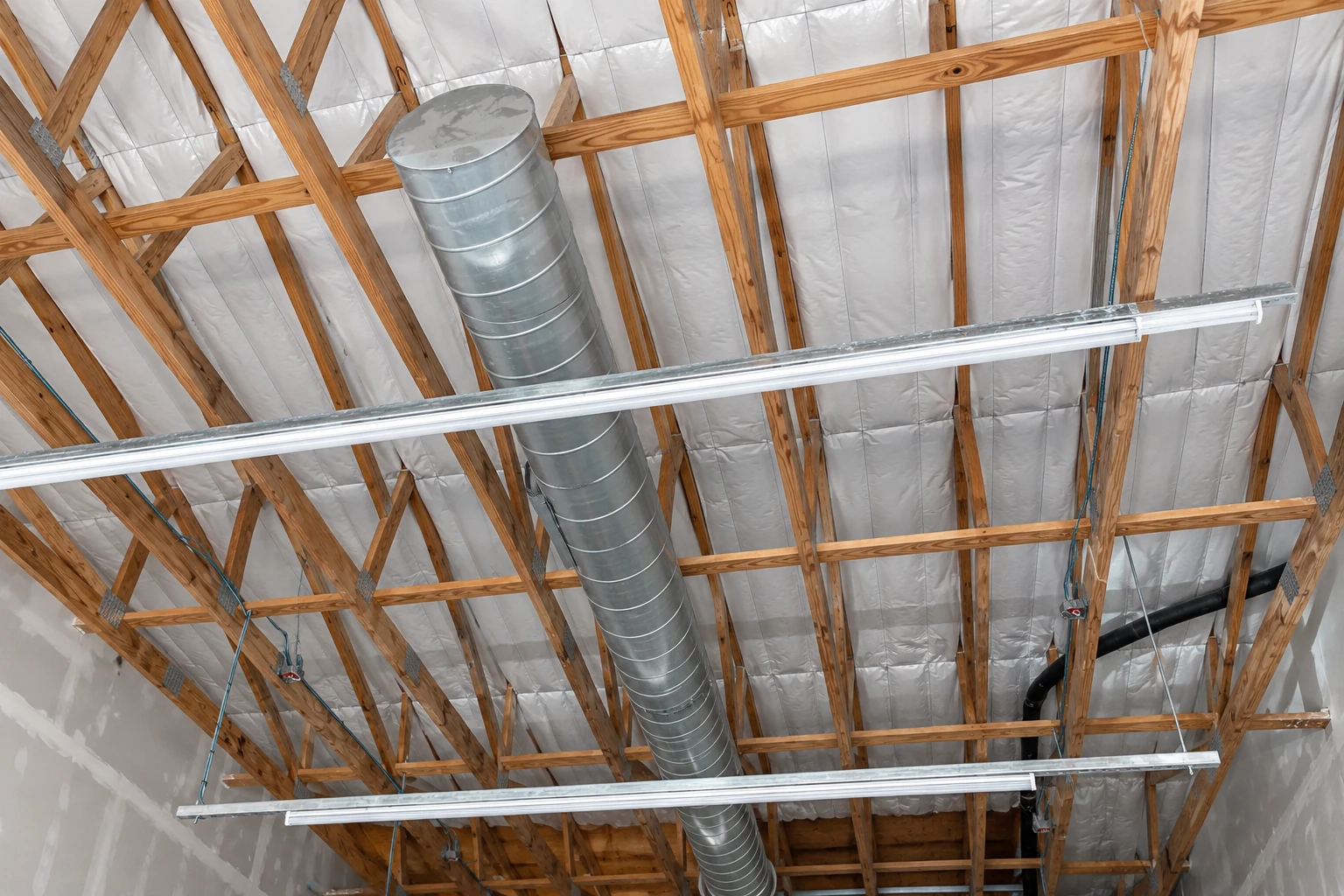
Metal shops and warehouses
Metal panels pick up desert heat fast and carry noise, so we plan the roof and walls together. Patching one side and leaving the other just lets the gap undo the work.
Sweating metal roof, a shop that echoes or an office that won't stay cool? We plan the insulation, then work around your business.
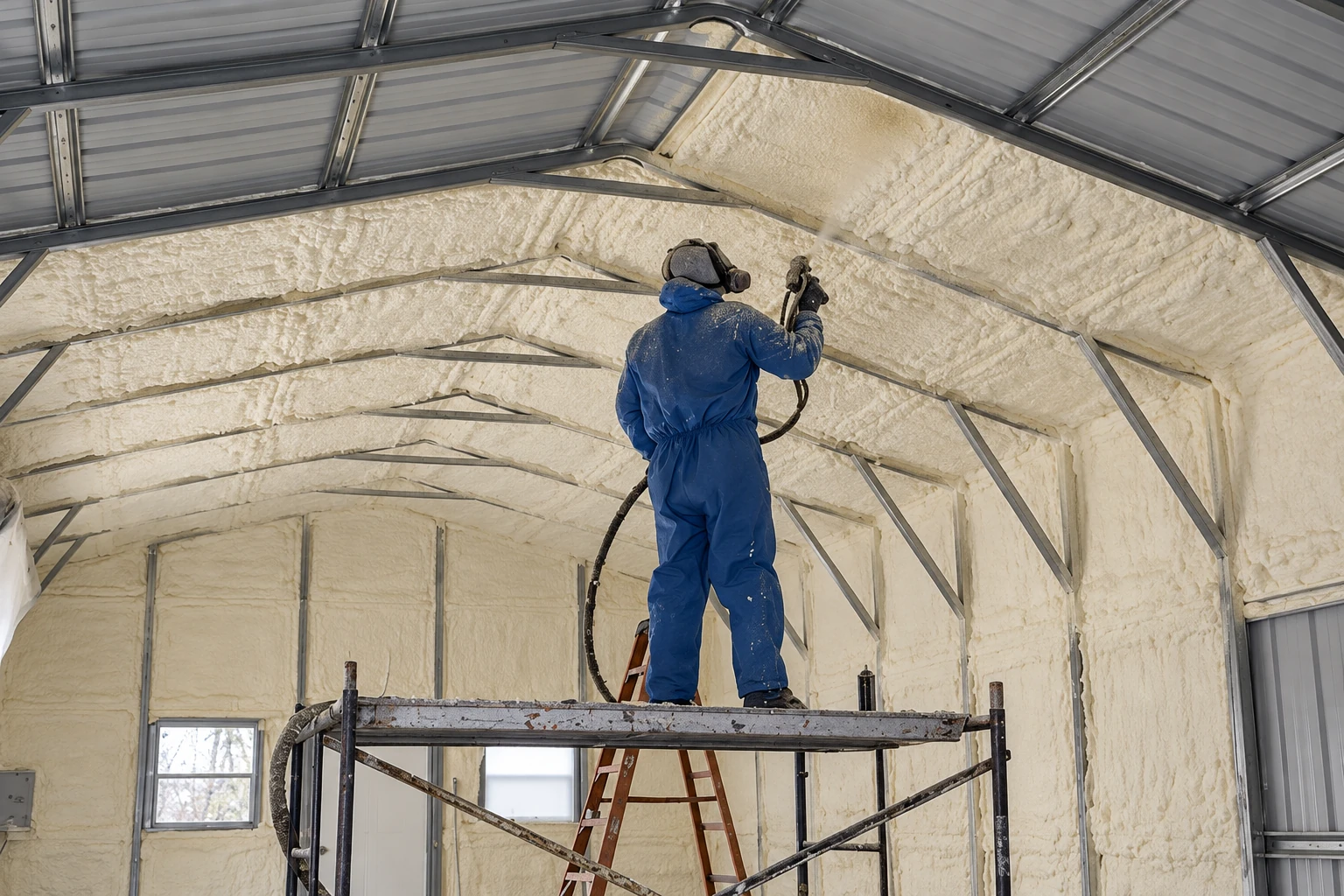
Commercial insulation in Indio, CA covers the walls and roofs of business buildings, from metal shops to the built-up and single-ply flat roofs common on offices and stores. It helps the space hold its temperature and keeps outside noise out.
Most calls I get from business owners and property managers start with a metal roof that sweats, a shop that echoes or an office where the cooling never catches up. The price moves with the size of the building, the roof type, which surfaces get foam and which get other insulation, and whether old material needs insulation removal first. The schedule turns mostly on when your staff and tenants can be out of the space. Your written estimate lists each step in the order we'll do it, so you can see your own figure and plan around it.
I come out to see the building and write the estimate. Our lead installer runs the crew, and I check the work over before we call it finished.
The state licensing board defines insulation and acoustical contractors as the ones who install insulation and sound materials for temperature or sound control, so ask every bidder about their license. We're fully licensed and insured.
We clean up before we pack up, so your staff walk back into the space they left. A business shouldn't spend the morning after an install sweeping.
I start by walking the building with you and looking at the roof, the walls and any old insulation, because new material over wet or dirty old material just hides the problem. Next we seal the gaps around pipes, vents and openings, since insulation that's fighting a draft can't do its job. Then I lay out the plan surface by surface. That covers which foam goes where and where the vapor retarder fits in, which is a layer that keeps moist air off cold surfaces. We book the crew around your staff and tenants, including the hours the space can sit empty if foam is going in. Our lead installer runs the work, and I check it over before we call it done.
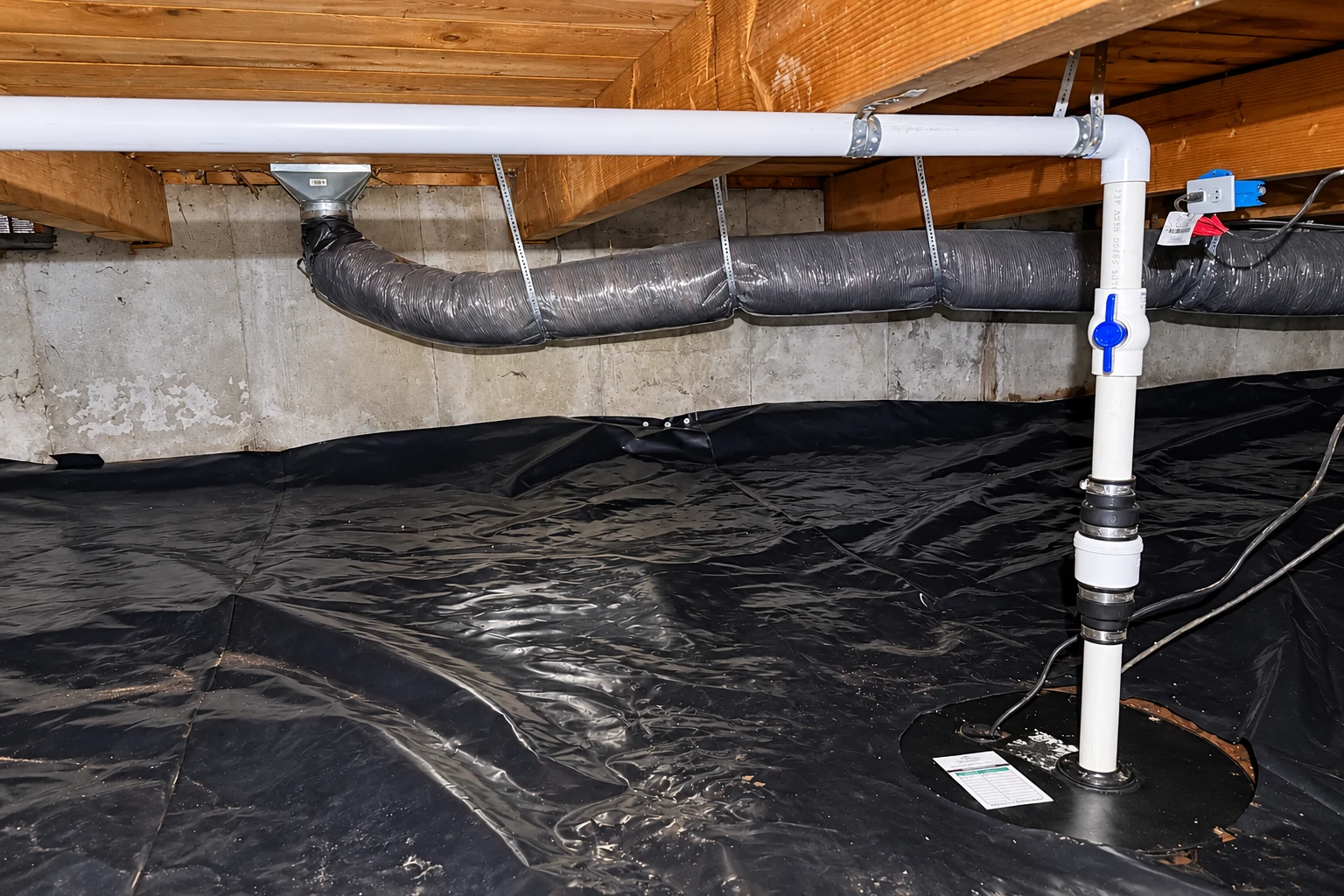
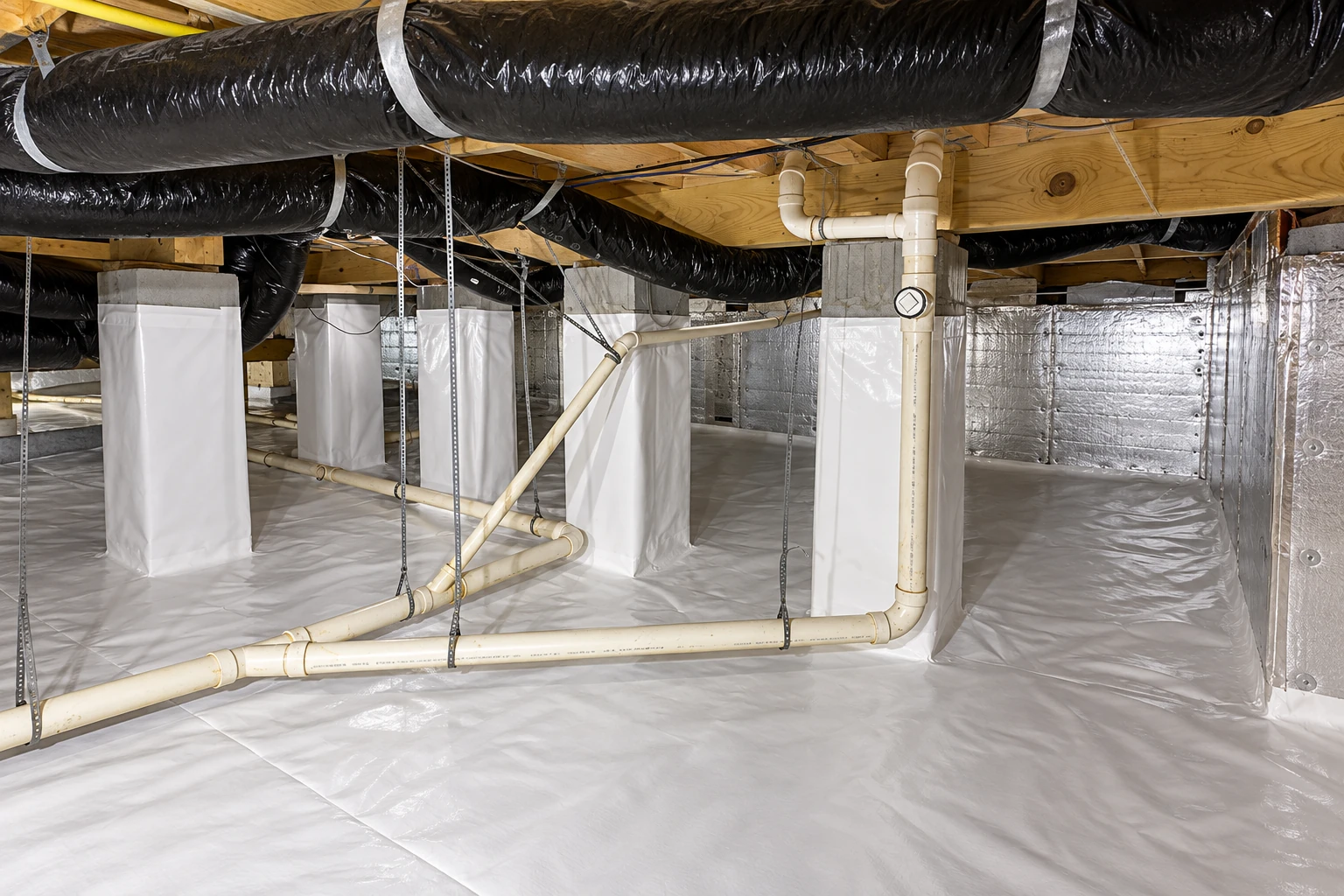
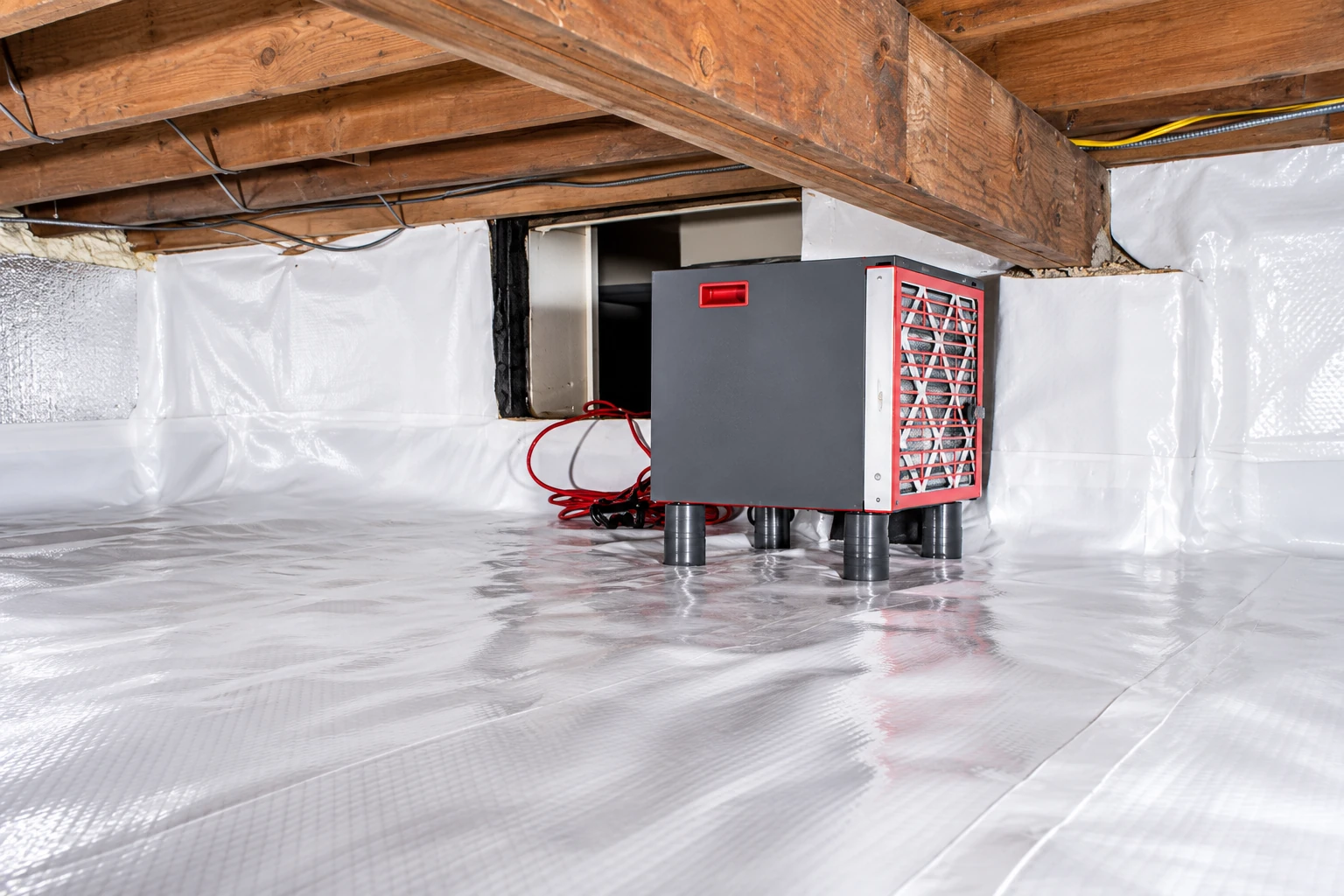
Some buildings need moisture work below as well as above. If the floor sits over a crawl space, our crawl space vapor barrier keeps ground moisture from rising into the building. Our vapor barrier installation covers the walls and ceilings where moist air needs stopping before it reaches the insulation.
Metal panels pick up desert heat fast and carry noise, so we plan the roof and walls together. Patching one side and leaving the other just lets the gap undo the work.
Tenants and customers still need the building, so we stage the work by area and time. I'll tell you up front which parts need the space empty and which don't.
Foam costs more but seals air while it insulates, so it usually earns its price where ducts run overhead. Without ducts up there, sealing the gaps and topping up loose fill usually wins.
We're based in Indio and work in the Coachella Valley cities around it, like Palm Desert and La Quinta. We're glad to hear from buildings farther out too.
Send the form and we'll reply within one business day to set a time for me to see the building. The estimate is free, done on site and comes with no obligation.
A metal shop, an office suite and a retail space need different plans. Knowing which one you have tells me which surfaces I'll be looking at before I arrive.
Metal, built-up and single-ply roofs each change where the insulation goes and what fits. Tell us what's overhead if you know, and I'll confirm it on site.
If foam is going in, the space has to be empty while we work and for a while after. Your open hours shape the whole schedule, so have them ready.
These example photos show foam on metal panels, faced insulation and finished ceilings, so you can picture the options we'll talk through on site.
Plain answers to what business owners and property managers ask most about foam, closures, condensation and California's energy rules.
The right foam depends on where it will sit. Industry guidance says closed-cell foam, a denser medium-density foam, suits both outside and inside surfaces, and open-cell foam, a lighter low-density foam, is best kept to inside surfaces. When I walk the building, I'll show you which foam fits each surface and why.
EPA guidance says your staff, tenants and other trades should be out while spray foam goes in. Many foam makers suggest about 24 hours before people come back after high-pressure foam, with the ventilation they recommend. Times vary by product, so we confirm the wait for the foam we're using and set the closure with you before booking the crew.
EPA guidance calls for closing off the work area and keeping it under negative pressure, so air gets pulled in and doesn't push out. It also calls for warning signs at the entrances and for sealing HVAC openings so contaminants don't travel through the ducts. One foam maker says each job should have its own safety plan with a ventilation strategy, so ask your installer to share it.
Metal building insulation controls condensation on inside surfaces when it's properly installed with a vapor retarder. The same insulation blocks outside noise and soaks up echo inside. The vapor retarder is easy to leave out of a bid, so ask whether each plan you're comparing includes it. Ours shows where it goes.
The R-value, which measures how well insulation slows heat, is rated for the insulation alone. The metal building insulation spec leaves out facings, insulation squeezed at the framing and heat moving through metal fasteners, so the finished roof or wall can perform differently. Ask each bidder how their design and install handle those heat paths.
Yes. California's building energy standards count additions, alterations and repairs to an existing business building as new construction, and they include a section on adding insulation to existing attics, water heaters and ducts. Several requirements, like those for walls and roofs, depend on the building's climate zone, so we check which rules touch your job before we write the plan.
Call (760) 262-0752, email info@insulationindio.com or use the form, and Professional Indio Insulation Services will give you a free estimate before you set closure dates.