
Spray foam insulation
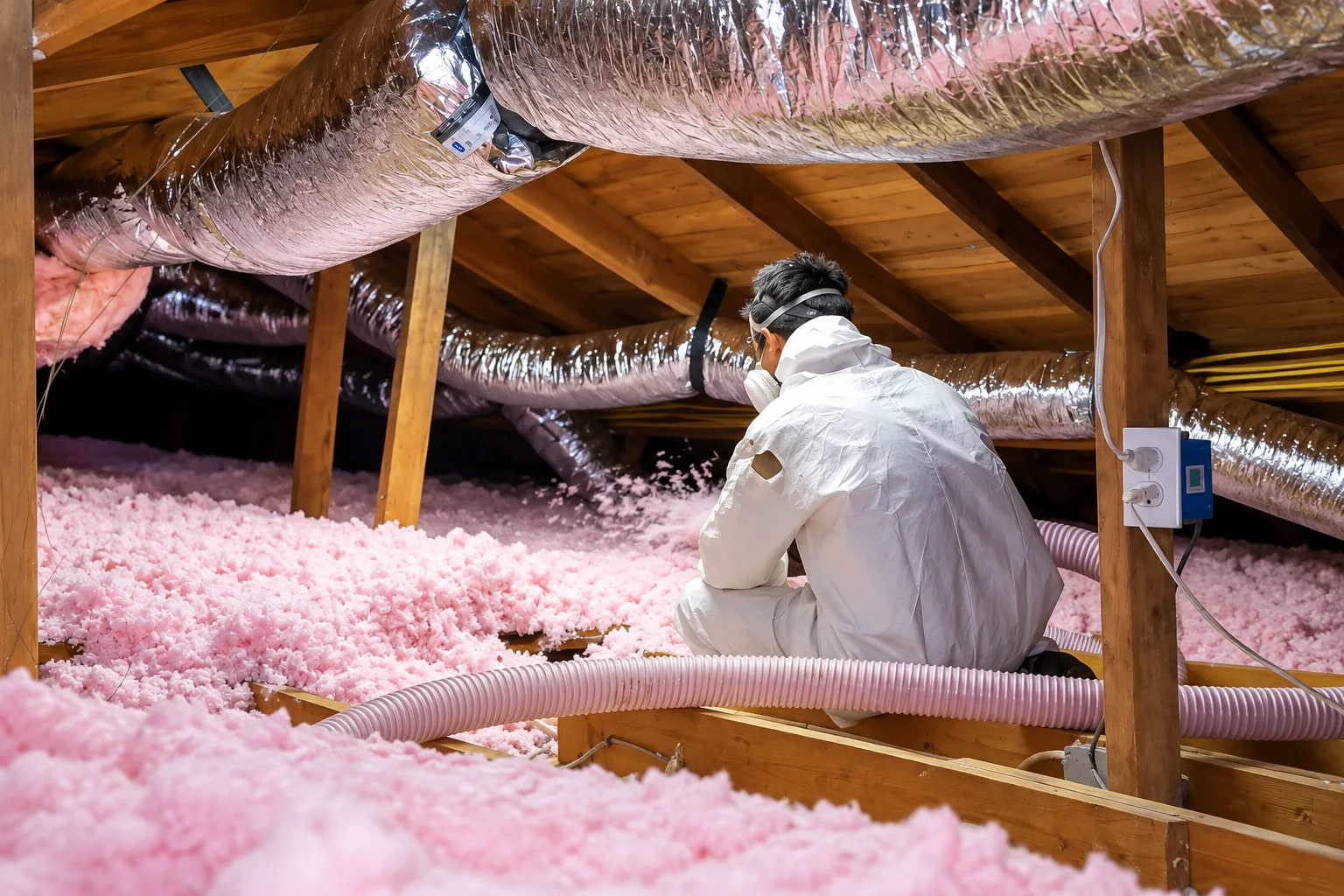
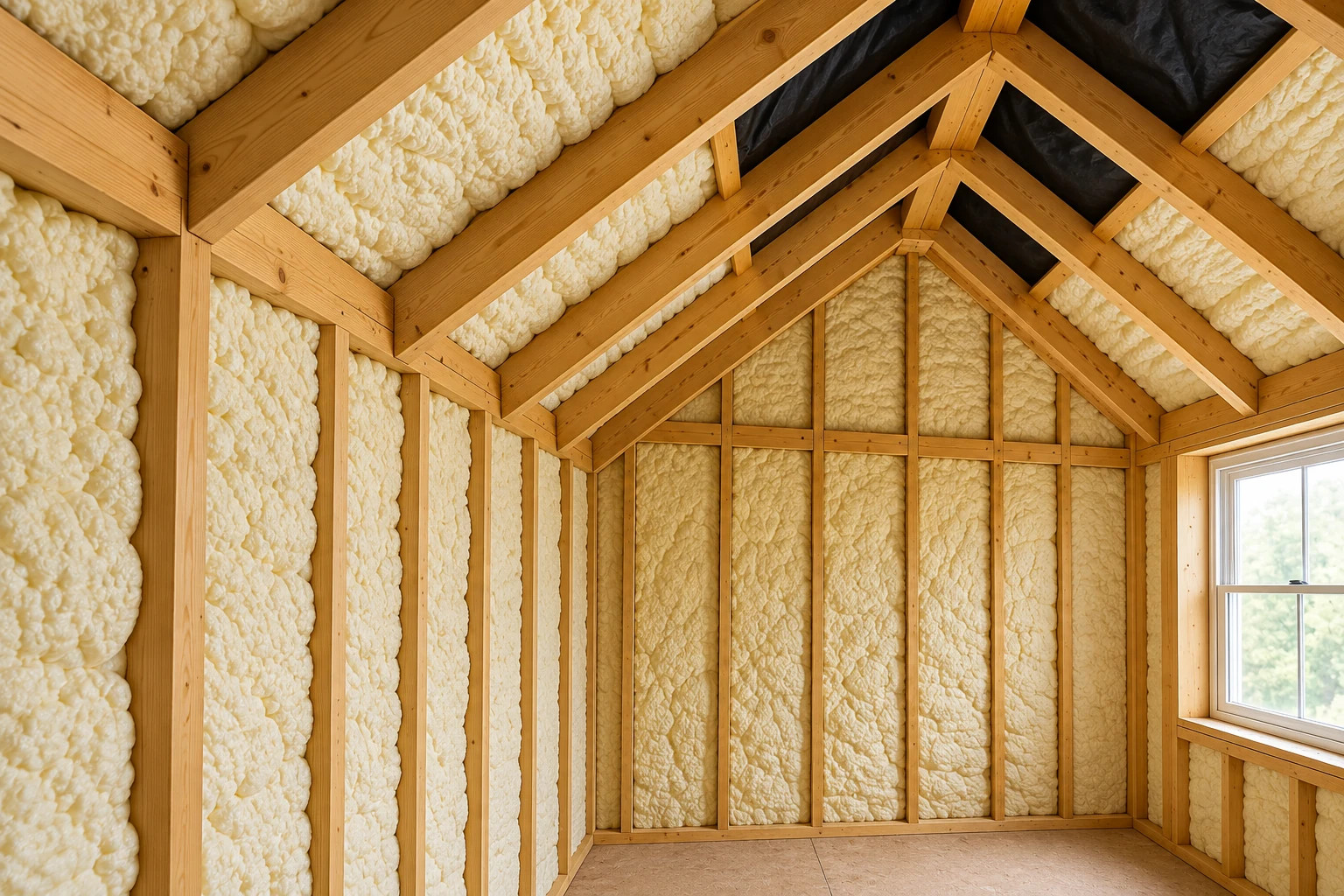
Where ducts run through a hot attic, foam under the roof deck keeps them in cooler air. It costs more than loose fill, so I'll say plainly if you don't need it.
Professional Indio Insulation Services is an Indio-based insulation contractor working in Coachella, CA. We seal the gaps in attics, crawl spaces and walls first, then add insulation, and we take out old material that's soaked or dirty.
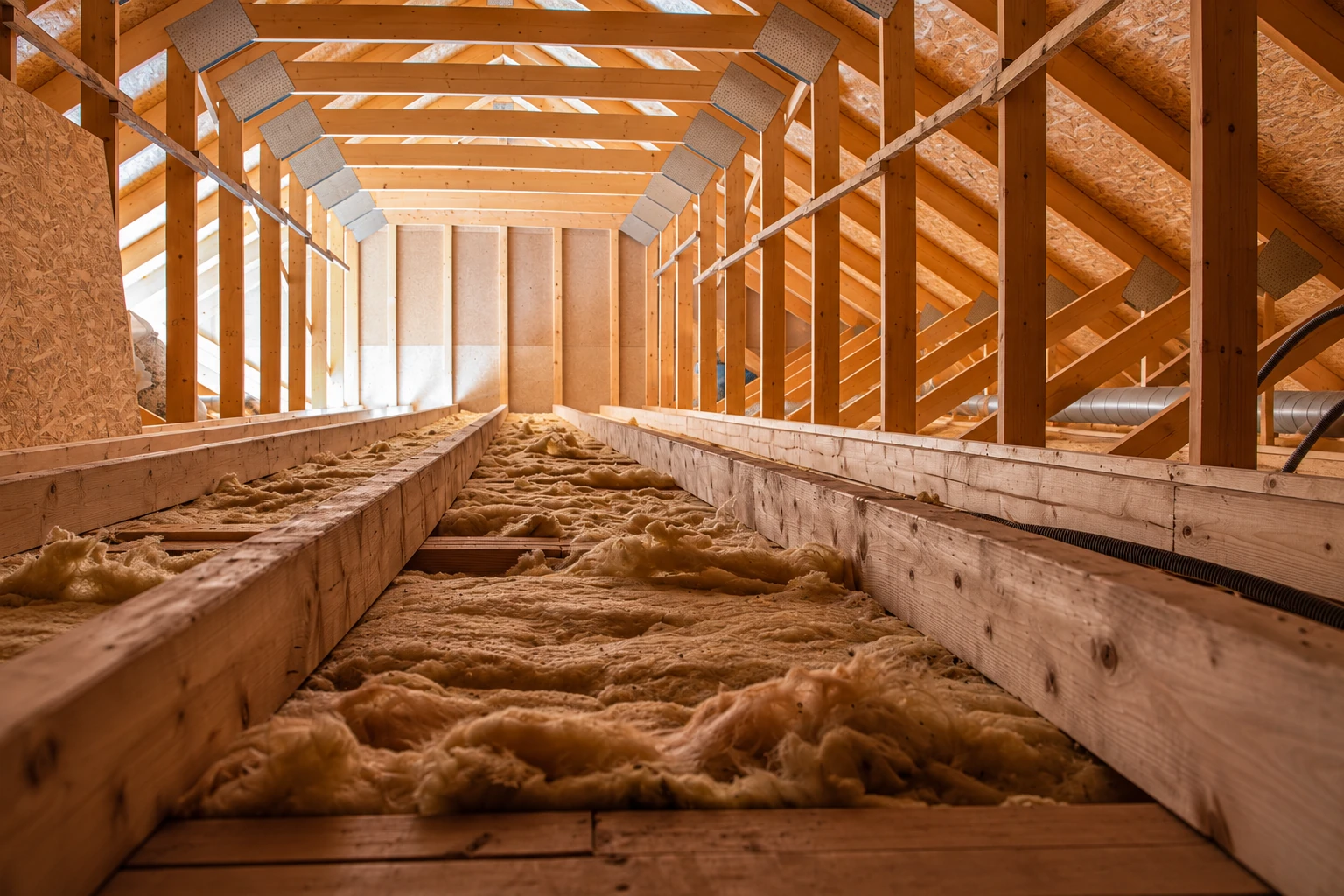
Coachella is the easternmost city in the Coachella Valley, a short drive from our base in Indio, and the city council has noted in past findings that it gets long stretches of high heat every year with little or no rain. That's what we find in attics here. On older homes and newer tracts alike, heat pushes down through the ceiling, so the room over the garage runs hot and the power bill climbs all summer.
The price moves with what's already in your attic: how many inches are left, whether the old material has to come out, how many gaps need sealing and how tight the space is to crawl through. The schedule turns on those same things, plus a permit when the city calls for one, and your written estimate lays out each step in the order we'll do it. We do this same work in Palm Desert and Mecca. On a lot of houses here the ductwork runs through the attic, and that's the one case where I'll point you to foam, which costs more but seals air while it insulates. Otherwise, sealing the gaps and topping up the loose fill usually wins.
I come out myself to look at your attic and write the estimate. Our lead installer runs the crew, and I check the work over before we call it finished.
In a kitchen you prep before you cook, and in an attic we close the gaps before any insulation goes in, because new material laid over a draft just fights it.
We check with the city whether your job needs a permit before the work is planned. When it does, we pull it and set up the inspections so you don't have to.
Where ducts run through a hot attic, foam under the roof deck keeps them in cooler air. It costs more than loose fill, so I'll say plainly if you don't need it.
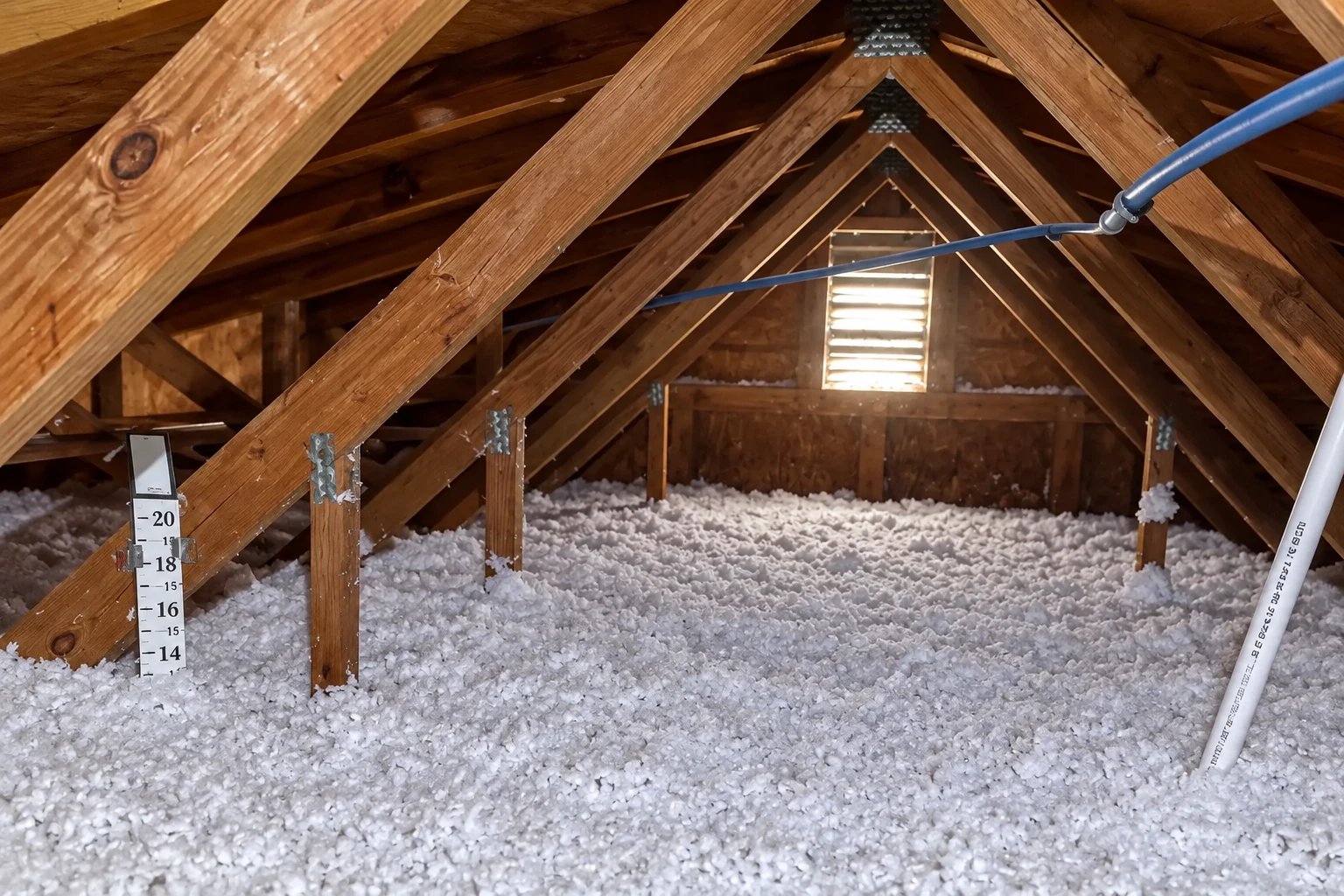
We measure how many inches are already up there, seal the gaps, then bring the attic to an even depth that's full at the edges as well as the middle.
Loose fill blown through a hose tops up an attic without tearing anything out. We keep the eave vents clear so the attic can still breathe through the long hot months.
If the house is hot in some rooms and drafty in others, we look at the attic, walls and floors together and fix them in the order that makes sense for your house.
Insulation soaked by an old roof leak or full of droppings has to come out first, because new material on top keeps the problem. We bag it and clean up as we go.
On houses that sit over a crawl space instead of a slab, we seal the openings and insulate under the floor, which helps with cold floors on winter nights.
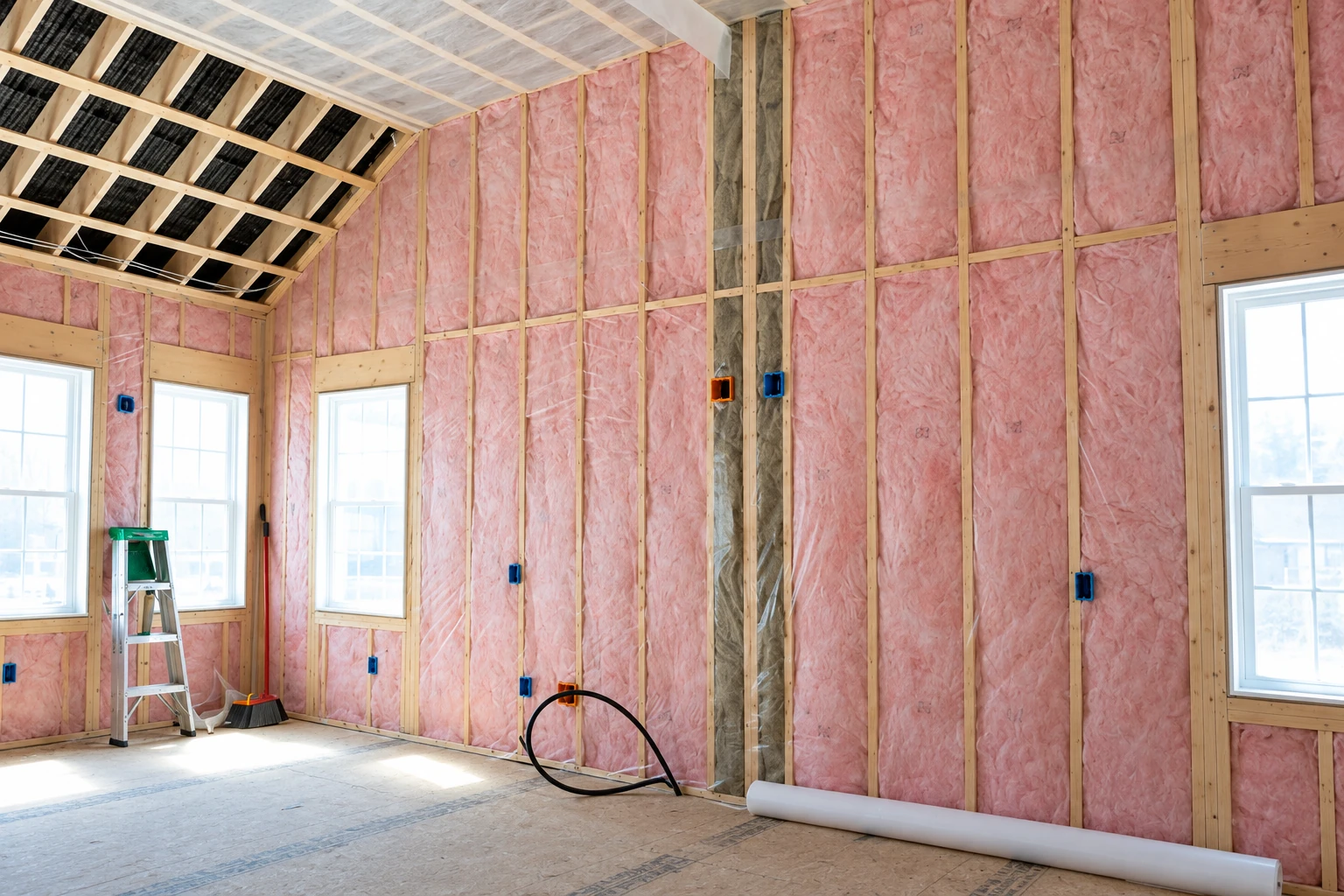
Older houses can have little or nothing in the walls. We fill the cavities through small holes and patch them, so the rooms facing the afternoon sun hold up better.
We find and close leaks around doors, outlets, plumbing under sinks and the wall shared with the garage, so hot air and dust stop finding their way into the house.
Few houses in the valley have a basement, but where yours has one or a below-grade room, we deal with any moisture first, then insulate so damp isn't sealed in behind it.
Closed-cell foam, a dense foam that blocks moisture, goes where water or a damp crawl space is the worry. It costs the most, so we only use it where that density is needed.
Open-cell foam is softer and lighter, and it fills odd roof framing and seals air well under the roof deck. It's usually the foam we suggest when the ducts live in the attic.
For property managers and small commercial spaces, we plan the work around tenants and business hours, and the written steps show what happens at each part of the job.
A plastic sheet across the crawl space floor keeps ground moisture out of the framing. We seal the seams and edges, because a loose barrier lets damp air right back up.
In a dry climate a vapor barrier only goes where it helps, so we find where the moisture comes from first instead of wrapping the house and trapping it inside.
Before any insulation goes in, we seal the gaps around can lights, pipes, wires and the attic hatch, because loose fill laid over those openings just fights the draft.
For a finished house, we add insulation without opening up more than we have to, then patch and clean so the rooms look the way we found them.
Send the form and we'll reply within one business day to set a time. I come out, look at the attic myself and write your estimate, and there's no obligation to go ahead.
The estimate costs nothing and happens at your house, because I need to see what's actually in your attic before I can tell you what it needs.
Your estimate lists each step in the order we'll do it, so you can see the sealing is planned before the insulation and know what to expect each day.
We're fully licensed and insured, and we stand behind the finished attic and the clean house we leave you with one plain promise. Your satisfaction, guaranteed.
These are the questions Coachella homeowners ask before booking, about permits, contractor licenses and whether the family has to leave during the job.
The city's building official decides that, and any permit has to be in hand before work starts. The building official issues permits to alter or repair a building and to work on its electrical, gas or mechanical systems. We check each job with the city, and when one's needed we pull it and set up the inspections.
A contractor needs a license from the Contractors State License Board when the job needs a building permit or when labor and materials total $1,000 or more. The small-job exemption rose from $500 to $1,000, and it only covers work needing no permit, done by someone with no employees. A contractor has to be licensed before they bid, and we are.
For loose fill and air sealing you can usually stay home, though we'll ask you to keep kids and pets away from the hatch and the work area. Spray foam is different. Everyone leaves, pets included, until the re-entry time, the point when it's safe to come back, and I tell you that time before the job is booked.
These are the cities with their own page on our site, and they aren't the only places we go. If your address isn't listed, call or send the form and ask.
Our hours run until 11 PM on weekdays and 10 PM on weekends, so call (760) 262-0752 after work or send the form.