
Soaked from a roof leak
Wet insulation packs down, stops working and holds water against the wood. We pull it and look for where the water came in, because new material over a leak just soaks again.
Wet, moldy, burned or pest-fouled insulation comes out of your attic, so the next layer goes onto clean, checked framing.
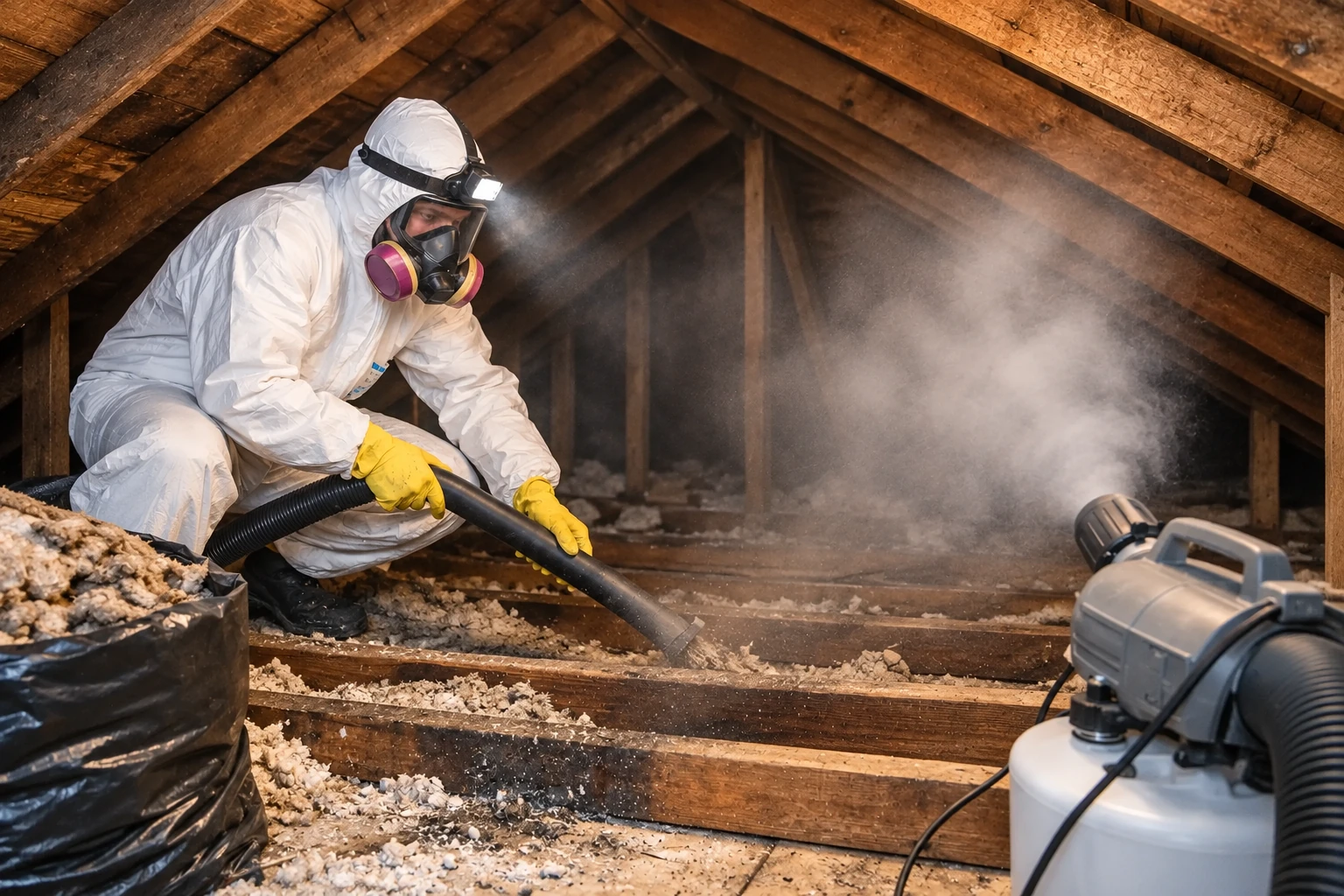
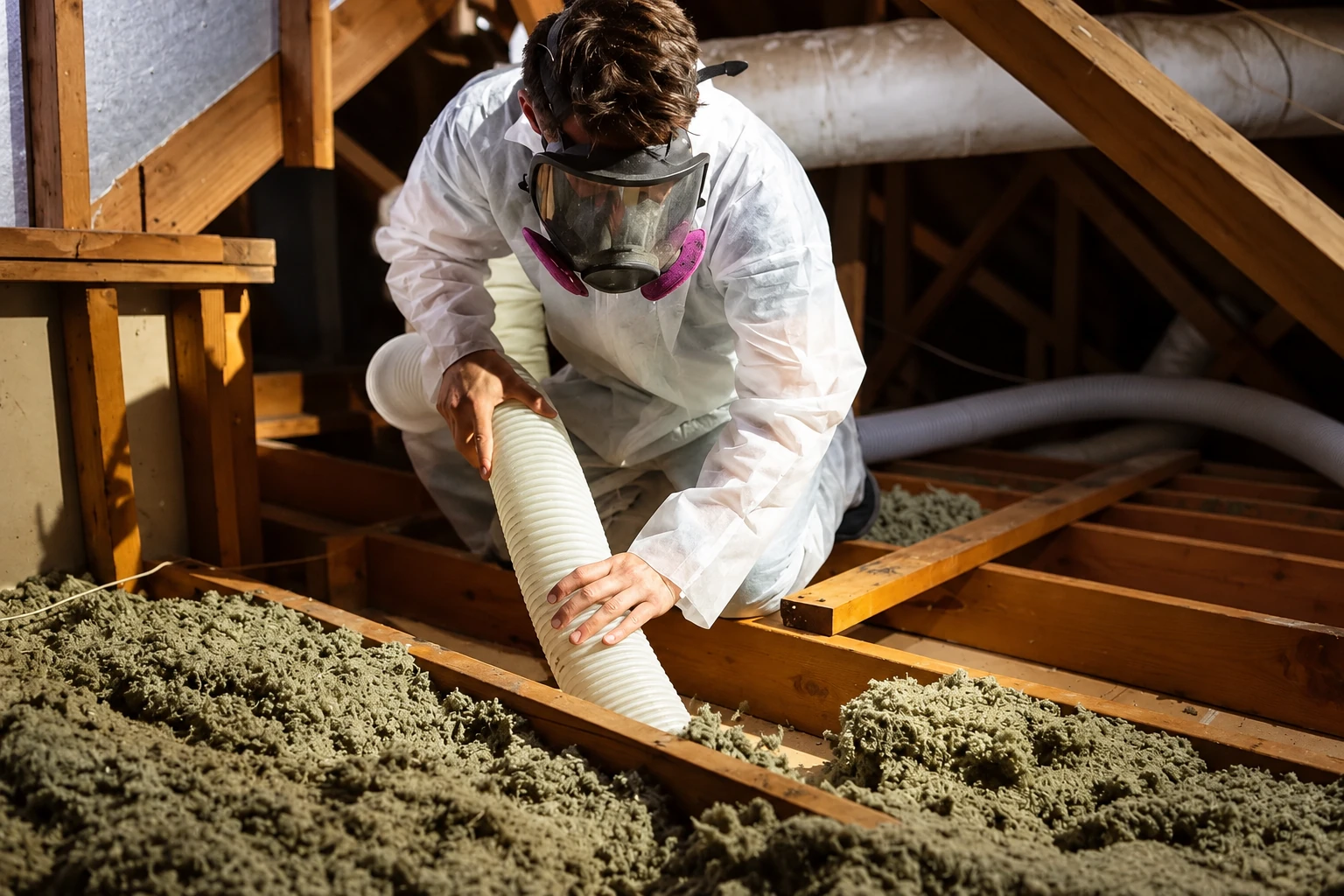
Insulation removal in Indio means vacuuming old, damaged insulation out of your attic so the problems under it can be found and fixed before anything new goes in.
Most calls start with something you noticed, like a hot upstairs, a power bill that keeps climbing, a water stain on the ceiling or droppings by the attic hatch. We're based in Indio and work across the Coachella Valley cities around it. The price and the schedule mostly turn on how big the attic is, how easy it is to reach, what kind of insulation is up there and whether it's wet, moldy or full of pests, since that material takes more care to bag and haul. Your written estimate lists each step in the order we'll do it.
I come out to see the attic and write the estimate, so the person telling you what has to go is the person who actually climbed up there and looked.
Not every old layer needs to come out. If what's up there is dry, undamaged and still doing its job, we'll tell you that and save you the cost of removing it.
In a kitchen you prep before you cook. In an attic we clear and check before we insulate, because new material over a hidden leak or open gaps carries the old problem forward.
I start by looking at the attic and what's in it, because the type of material decides everything after. If it looks like vermiculite, we stop there and I point you to an asbestos professional before anyone disturbs it. Otherwise our lead installer and crew protect the path to the attic, pull loose fill out through a strong vacuum hose into large filter bags, and cut and bag batts by hand. With the old layer gone, we look over the framing, wiring, vents and gaps it was hiding, and I tell you what we found before anything new goes in. Then we clean up, and I check the work over before we call it finished, so the house looks the way we found it.
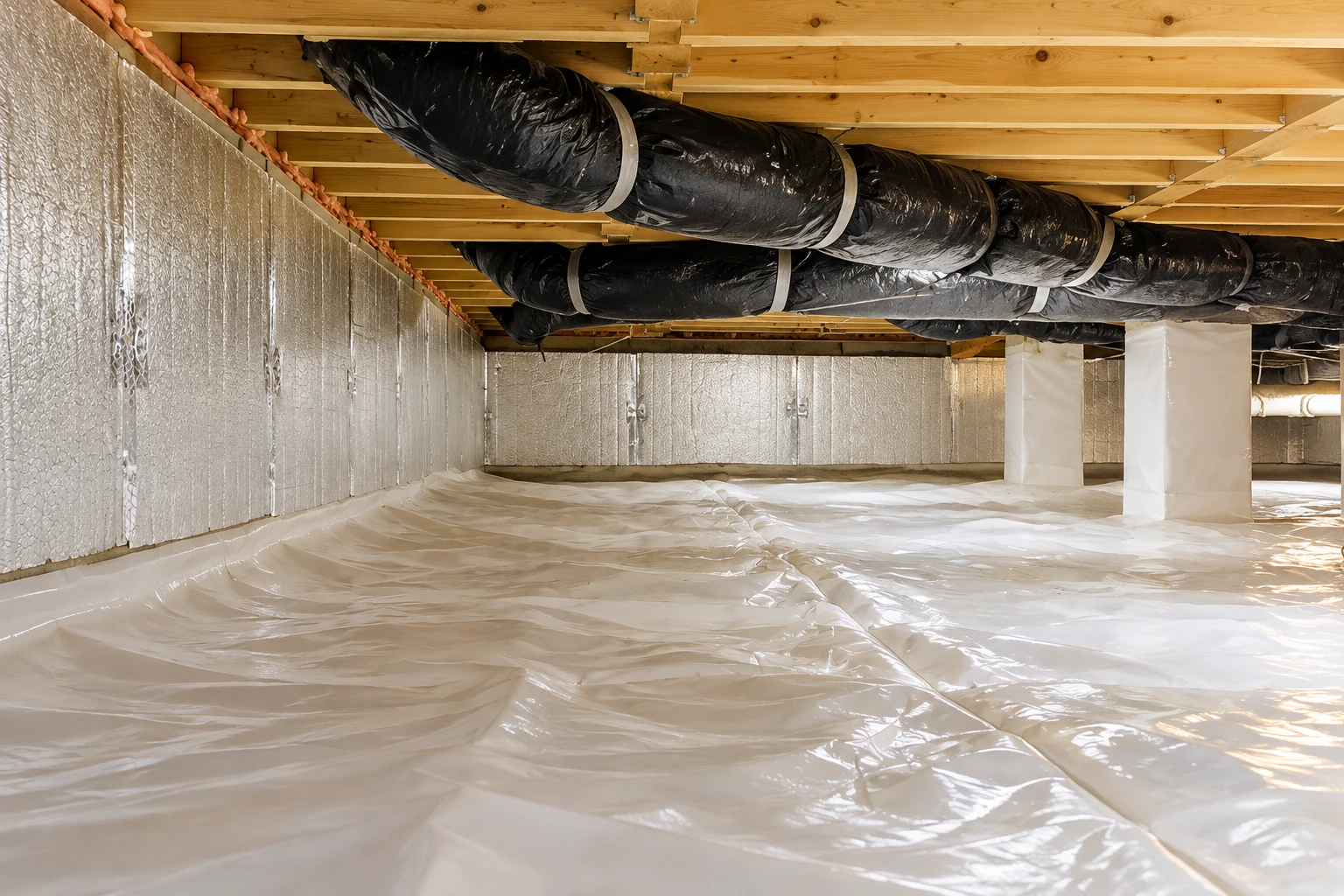
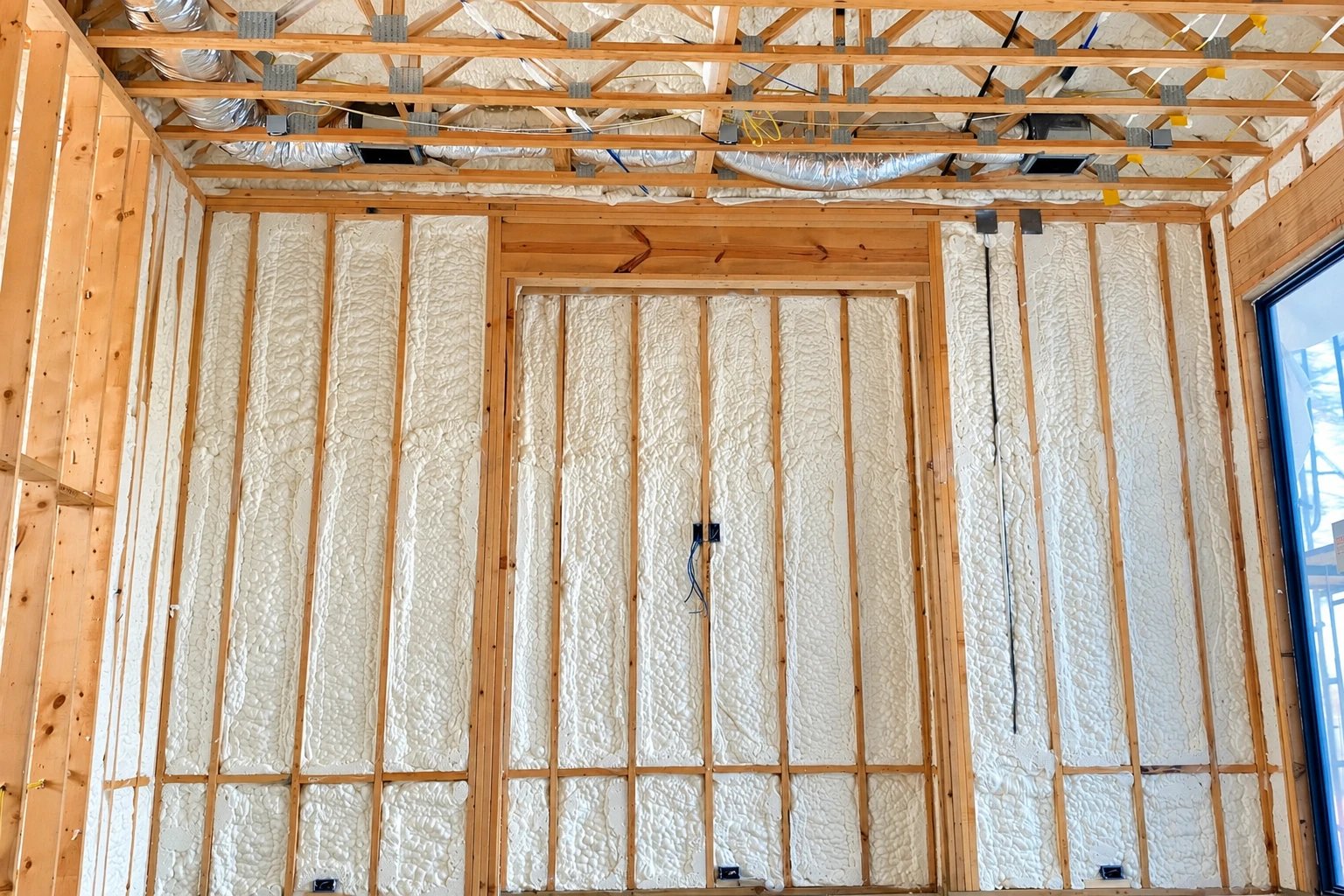
Removal is rarely the last step. Once the old material is out and the gaps are sealed, the attic is ready for new insulation, and the same rules apply under the house, where we pull wet or sagging batts before crawl space insulation goes back up. If a room stays hot after the attic is done, wall insulation is usually the next thing worth looking at.
Wet insulation packs down, stops working and holds water against the wood. We pull it and look for where the water came in, because new material over a leak just soaks again.
Moldy insulation goes out in sealed bags so the spores stay in the bag and out of your hallway. Covering it with a fresh layer only hides the problem.
Rodents leave droppings and nests that ruin insulation and push a smell down into the house. It all comes out, so the next layer isn't sitting on what they left behind.
Burned or smoke-soaked insulation keeps the smell and can hide damaged framing or wiring. Taking it out lets us see how far the fire reached before the attic gets closed back up.
Send the form and we'll reply within one business day to set up a visit. I come out, look at the attic myself and give you a free written estimate, with no obligation.
The estimate costs nothing and happens at your house, because nobody can price removal honestly without seeing the attic. You're under no obligation to hire us afterward.
Your estimate is written out in the order we'll work, from checking and removal through cleanup, so you know what comes first and what you're paying for.
We're fully licensed and insured for the work we do in your attic, and we keep our promise to you short and plain. Your satisfaction, guaranteed.
Example photos of loose fill, old batts and cleared attic framing, useful for pointing out what your own insulation looks like.
Straight answers to what Indio homeowners ask most before old insulation comes out, from cost and time to vermiculite.
No, insulation that's only dirty is still fine to use and doesn't need to be pulled and replaced. It should come out when moisture, mold, fire or pests have damaged it, because damaged material stops doing its job and can hide whatever caused it. If you're not sure which yours is, I'll tell you when I look.
Across the US, attic insulation removal usually costs about $600 to $3,600 per job, and that's a national figure, not our price. Disposal is usually part of that total, though it can change when the material is hazardous, such as insulation with asbestos, mold or a pest infestation. Your written estimate gives you the number for your own attic.
Removal takes anywhere from 4 hours to 2 days or more, depending on how big the attic is and how complicated the job gets. Tight spaces and wet or moldy material slow things down, so a large or awkward attic means planning around a longer job.
Leave it undisturbed, and before any work that would disturb it, hire a professional asbestos contractor rather than removing it yourself, as the EPA advises. Vermiculite is a pebble-like, pour-in insulation, usually gray-brown or silver-gold, and disturbing it can spread fibers into the rest of the house. That's why we stop when we see it.
In California, asbestos work on 100 square feet or more of asbestos-containing material falls under the state licensing board's C-22 Asbestos Abatement classification, and a license qualifier who passes an asbestos certification exam is the other route. If you remove vermiculite, the EPA says to use a trained, accredited abatement contractor independent of whoever assessed it, so ask how the two are related.
Call (760) 262-0752 or use the form, and have your attic's rough size and a description of the insulation ready so I come prepared.