
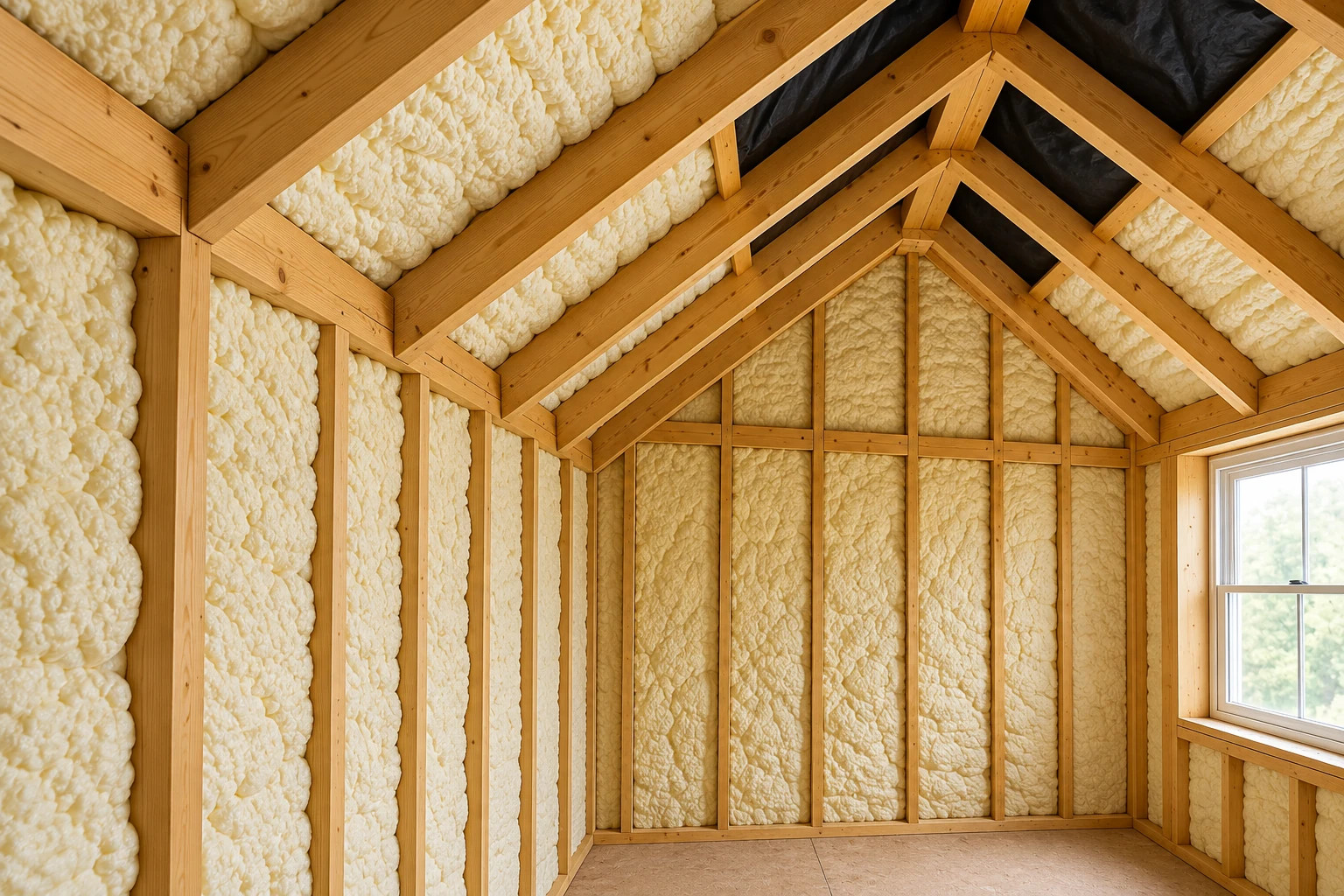
Spray foam insulation
Spray foam seals air and insulates in one pass, so it suits attics where the ductwork runs. It costs more, and I'll tell you plainly when loose fill does the job instead.
Professional Indio Insulation Services is an insulation contractor working in Cathedral City, CA. We insulate attics, walls and crawl spaces, seal the air leaks that make rooms hot, and remove old insulation that's soaked or full of droppings.
Cathedral City sits between Palm Springs and Rancho Mirage, and as an insulation contractor based in Indio, CA, we work here the same way we do in La Quinta. Calls come from the older streets of the historic Dream Homes neighborhood, from the blocks around Panorama, and from property managers with rentals across the city. Most of what we find is single-story houses with low attics, ductwork running through them, old can lights cut into the ceiling and insulation that's packed down thin, so the job usually starts with what has to come out and what has to be sealed.
The price turns on how many inches are already up there and what shape they're in, how much sealing the attic needs, and whether you go with foam or blown-in, which is loose fill sent through a hose. The schedule turns on whether old material comes out first and whether the city wants a permit for your job. Your written estimate lays all of it out, step by step. Foam costs more and seals air while it insulates, but sealing the gaps and topping up with blown-in usually wins, unless your ducts run through a low attic, where foam often earns its cost.
I come out to every job to look and write the estimate, because soaked material, droppings or buried eave vents only show up once the hatch is open.
In a kitchen you prep before you cook. In an attic we close the gaps first, so the new insulation isn't fighting a draft coming up from the rooms below.
Our lead installer runs the crew, and I check the work over before we call it finished, from the depth at the edges to the cleanup in your hallway.
Spray foam seals air and insulates in one pass, so it suits attics where the ductwork runs. It costs more, and I'll tell you plainly when loose fill does the job instead.
Most calls here start with a hot room under a low attic. We check what's up there, seal the leaks, then insulate with the eave vents kept clear so the attic still breathes.
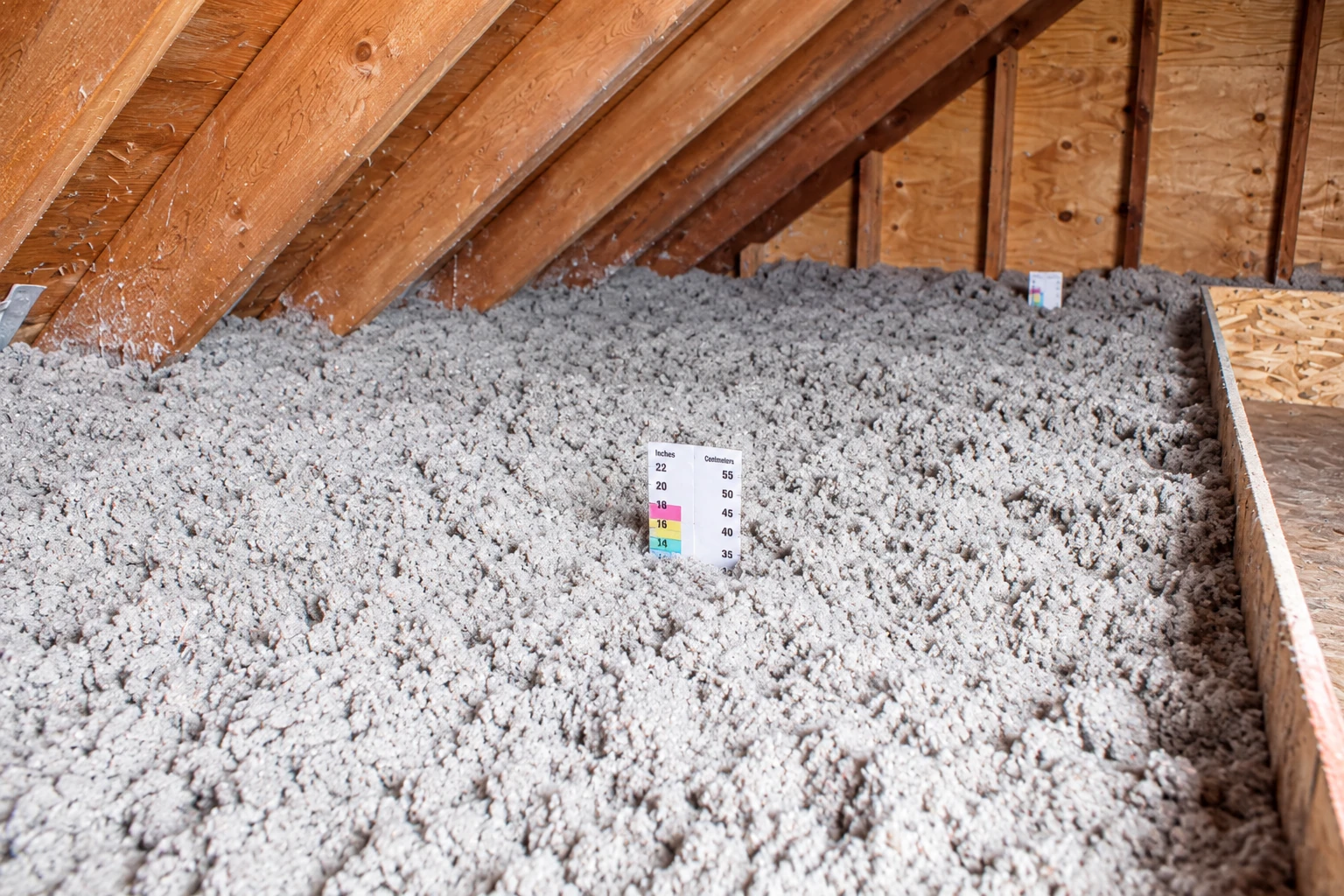
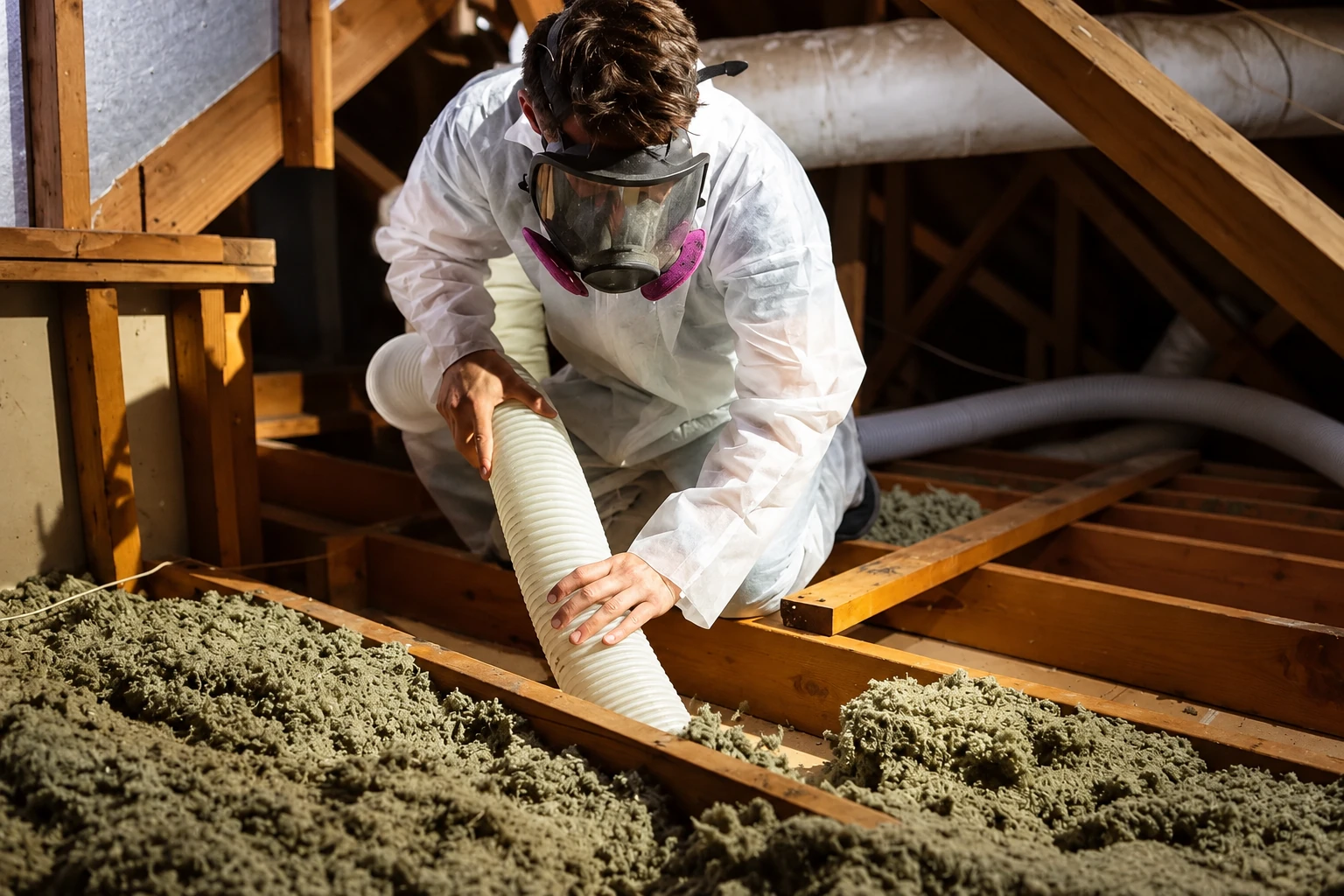
Blown-in is the usual way to top up a thin attic over an older house. We run it full depth out to the edges, not deep in the middle and thin where the roof comes down.
When the whole house feels drafty or the power bill keeps climbing, we look at the attic, walls and floors together and tell you which one to fix first.
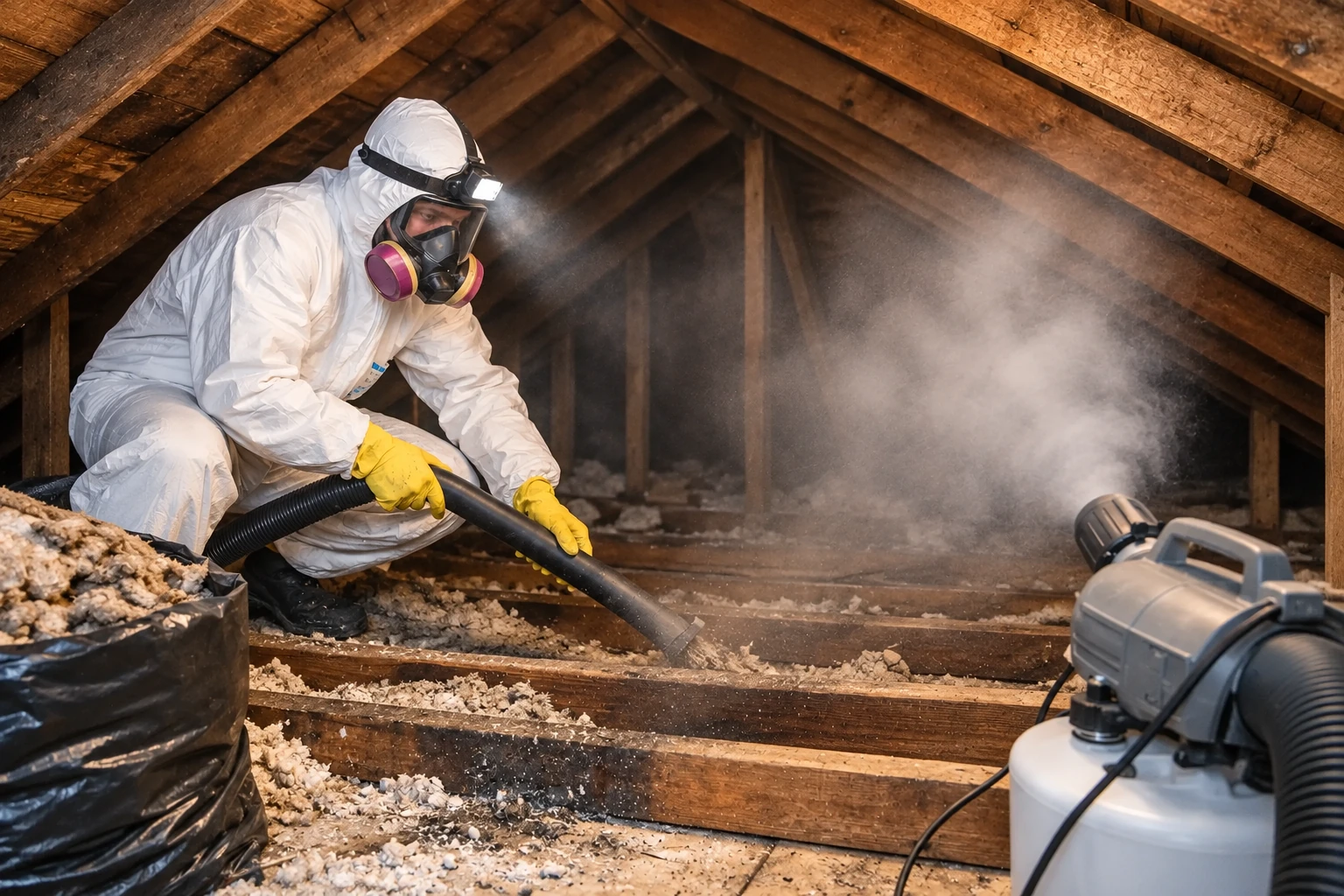
Old insulation that's been soaked or is full of droppings has to come out before anything new goes in, or the problem stays. We bag it, haul it and clean up after.
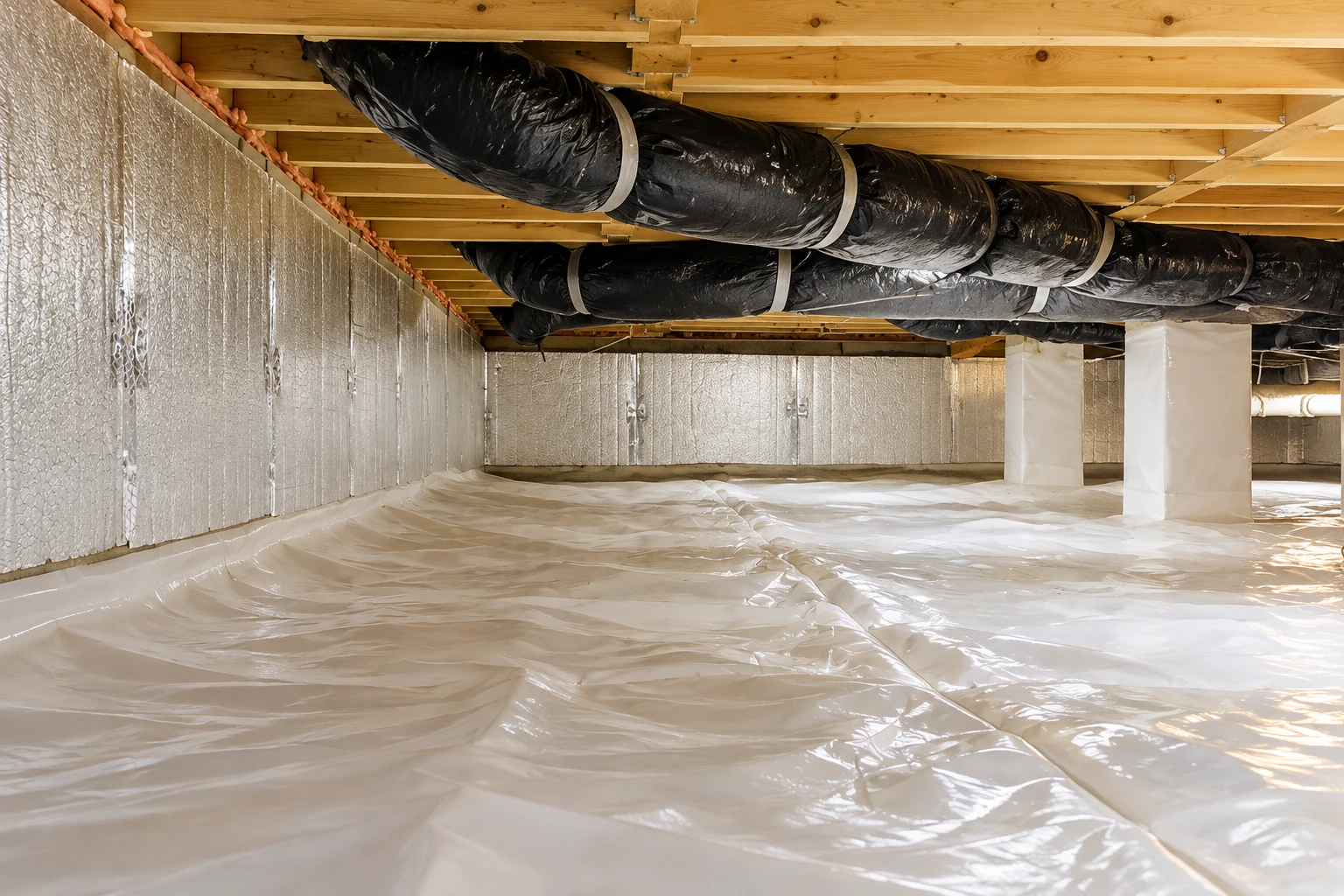
On houses built over a crawl space, cold floors usually trace back to what's under them. We insulate beneath the floor and check for moisture before anything goes in.
Walls in older houses often have little or nothing inside them. We fill them through small openings or during a remodel, depending on what the walls and the job allow.
Air sealing means closing gaps before insulating. We work through the house finding where outside air slips in, around plumbing, wiring and fixtures, and close those spots before adding anything.
Basements are rare in the valley, but where a house has one, we insulate the walls so the room below ground holds a steadier temperature through the year.
Closed-cell foam is a dense foam that also blocks moisture. We use it where a spot needs both, and we tell you your re-entry time, meaning when you can come back inside.
Open-cell foam is lighter and softer, fills odd-shaped cavities well and quiets noise. It costs less than closed-cell, but it doesn't stop moisture the same way.
We insulate offices, shops and rental units for owners and property managers, and we plan the work around your tenants and your business hours.
A crawl space vapor barrier is a sheet laid over the dirt so ground moisture stays out of the floor framing and the insulation sitting above it.
We put in vapor barriers in walls, crawl spaces and other spots where moisture would otherwise reach the insulation and soak it from behind.
Before a single inch goes into the attic, we seal around the can lights, pipes and the hatch, so the new insulation isn't working against air pushing up from the house.
Retrofit work adds insulation to a finished house without tearing it apart. In older Cathedral City homes, that usually means topping up the attic and sealing as we go.
Send the form and we'll reply within one business day to set a time. I come out, look at your attic, and leave you a free written estimate with no obligation.
The estimate costs you nothing and doesn't commit you to anything. You get it in writing after I've seen the house, not from a guess over the phone.
Your estimate lists each step in the order we'll do it, so you can see the checking and sealing come before any new insulation goes in.
We're fully licensed and insured, and we've been in business since 2020 doing attic work in the right order. Your satisfaction, guaranteed.
Here are the questions about permits, licenses and work hours we hear most from people insulating a house in Cathedral City.
The city's Building Division issues building permits in Cathedral City for construction, additions and alterations, and it also reviews plans and inspects that work. We look into permits for each job with the city, and when one is needed, we pull it and set up the inspections so you don't have to.
A contractor needs a Cathedral City business license to work here, and usually a state contractor license too. The city requires its license of anyone doing business in town, contractors and subcontractors included. The state's Contractors State License Board license is required when a job needs a building permit, uses employee labor, or comes to $1,000 or more in labor and materials. We're fully licensed and insured.
From May through September, the city's posted construction hours run 6:00 AM to 7:00 PM on weekdays, and from October through April they run 7:00 AM to 5:30 PM. Saturdays are 8:00 AM to 5:00 PM all year, and Sundays and holidays are listed as none. In summer we like the early start, because an attic is coolest first thing in the morning.
We're based in Indio and work across the Coachella Valley, including the cities listed here. If yours isn't on the list, call or send the form and ask.
We pick up into the evening, weekends included, so call (760) 262-0752 when you're home and can open the attic hatch.