
A room you actually use
If the basement is a guest room, office or play space, insulated walls help it hold a steadier temperature, so it feels like part of the house instead of storage.
A basement room that never feels comfortable? We check the walls for cracks first, then insulate with the method that fits your moisture needs.
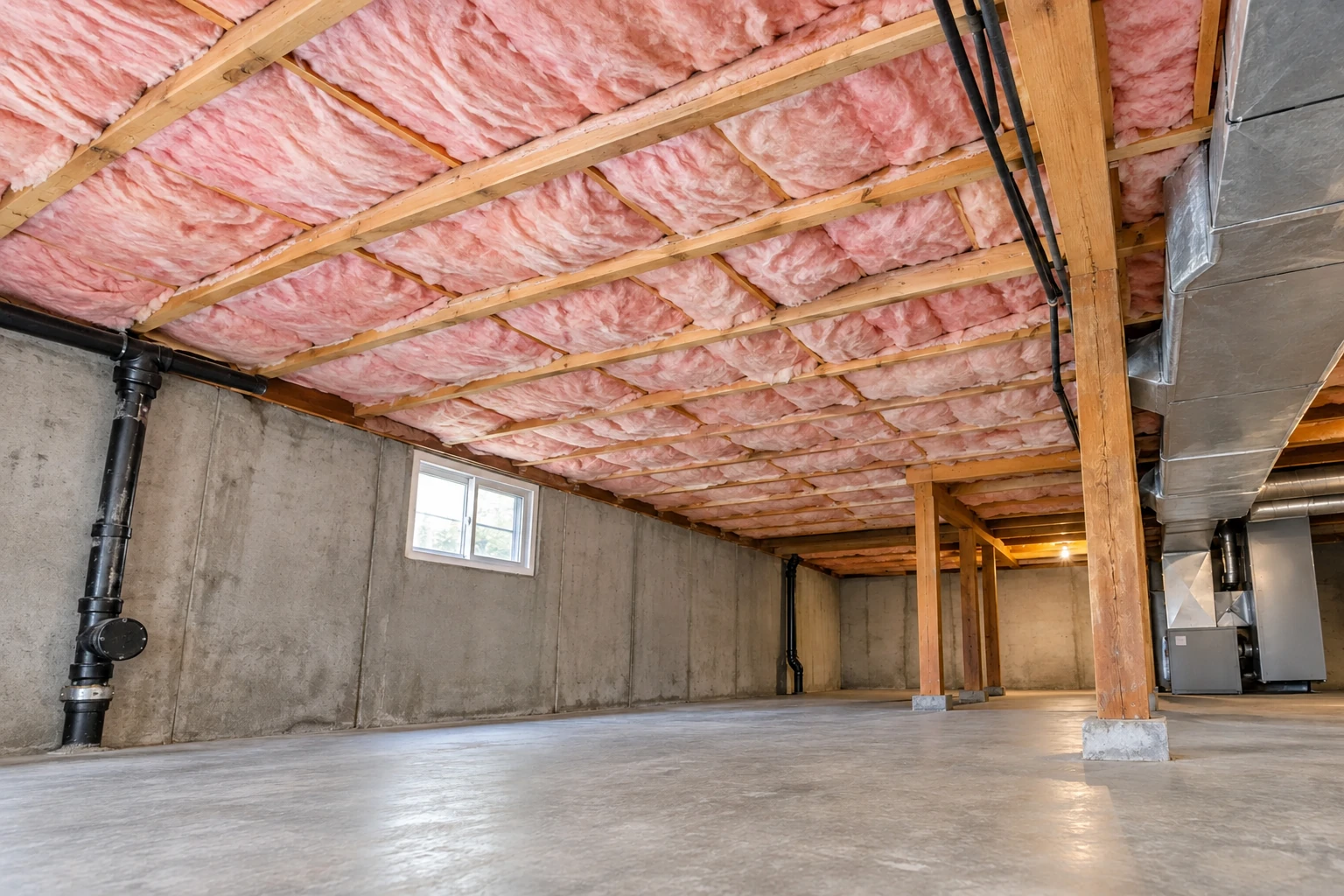
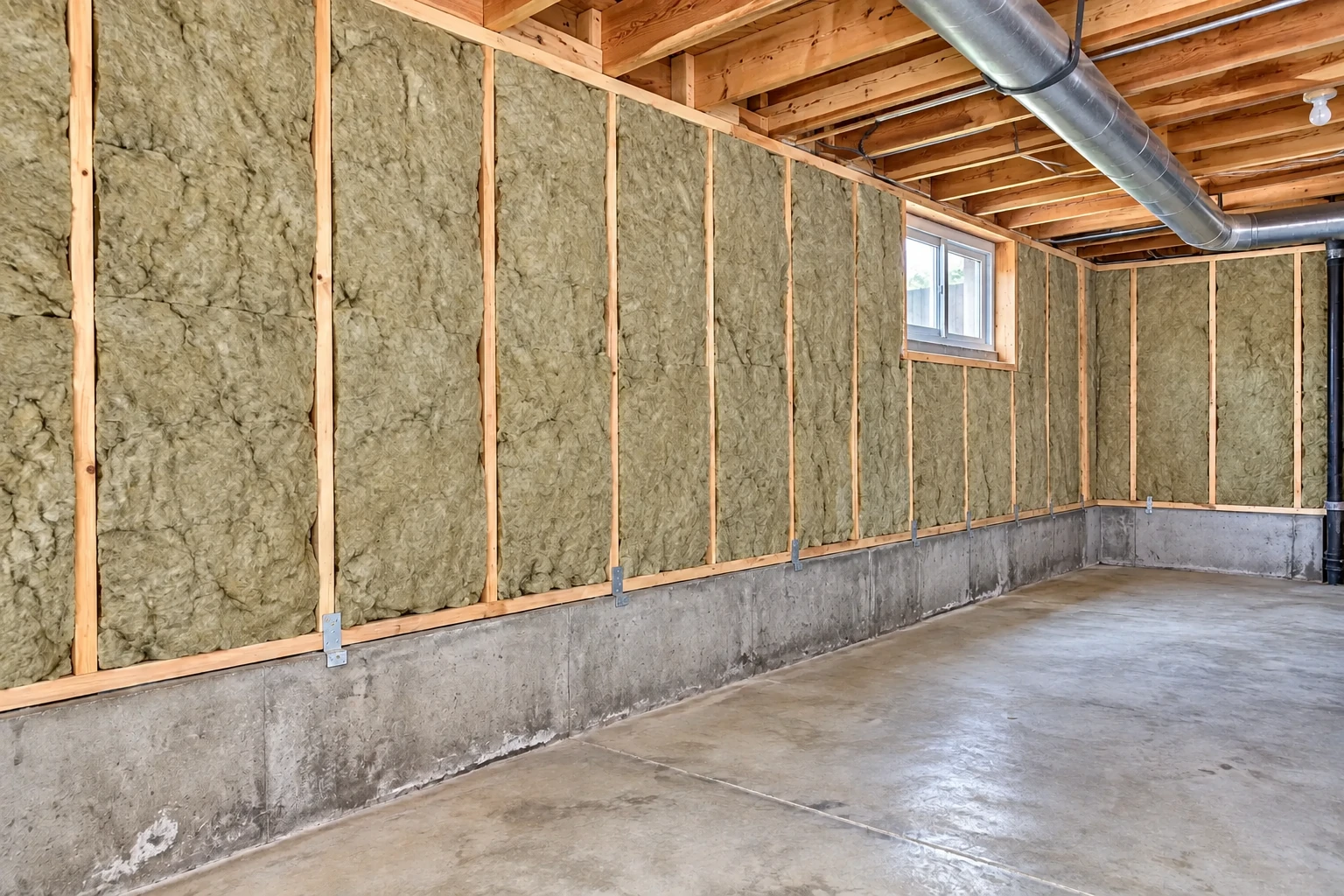
Basement insulation in Indio, CA adds foam or fiber insulation to the inside of your basement walls, so the room below the house holds a steadier temperature and lets less noise through.
Most people call us because the basement feels clammy, the room down there is hard to keep comfortable, or they're about to finish it and want the walls done right before drywall goes up. The price moves with the square feet of wall, the method you pick and whether a wall needs repair before we start. The schedule turns on those same things plus the prep and finishing your method needs. Your own figure and steps go in the written estimate.
I come out to your house, look at the basement walls and write the estimate myself, so the person pricing your job is the person who actually saw it.
Your written estimate lists each step in the order we'll do it, starting with the wall check, so you can see nothing gets skipped or shuffled once the work starts.
Our lead installer runs the crew, and I check the work over before we call it finished, because the basement should look the way we found it, only insulated.
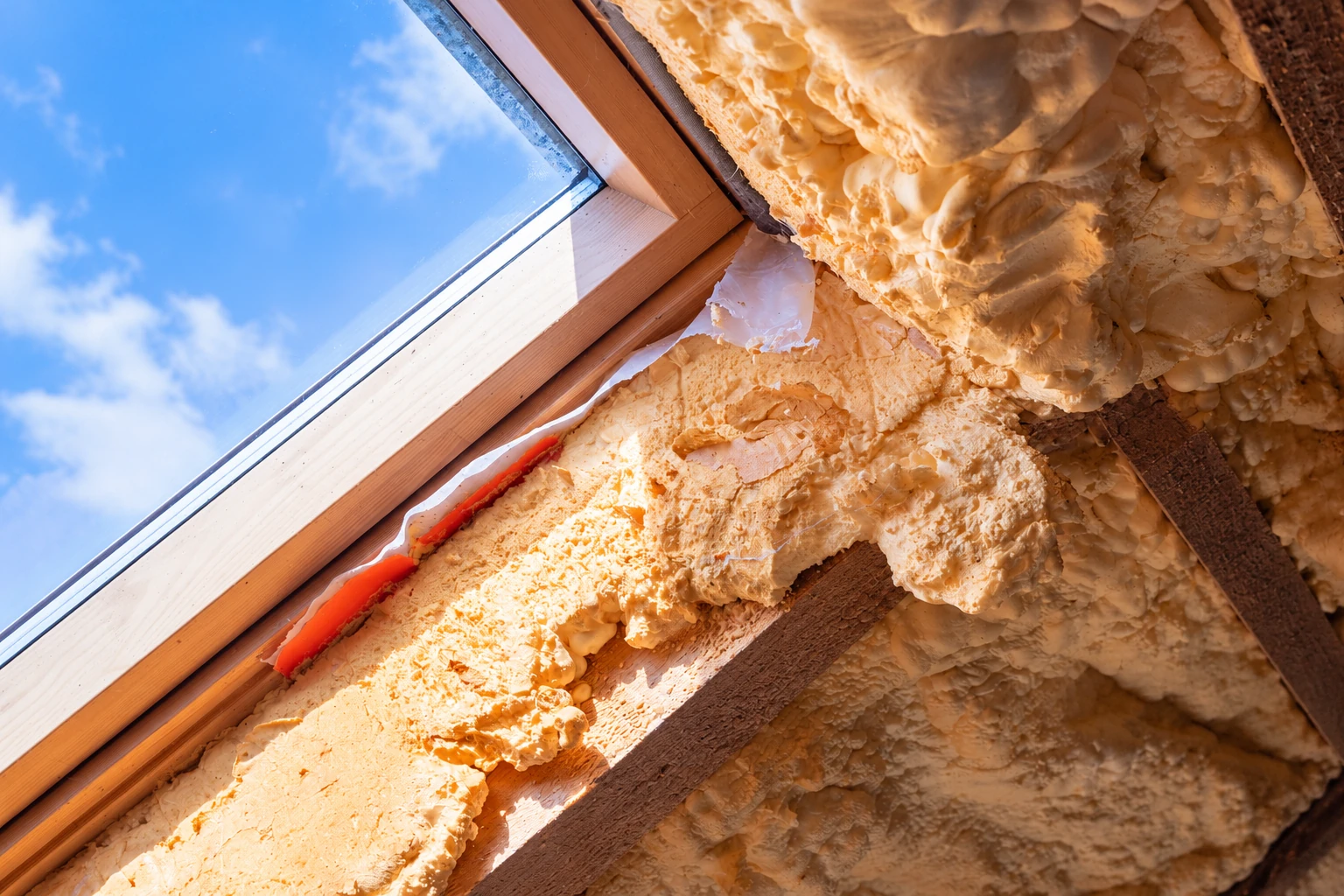
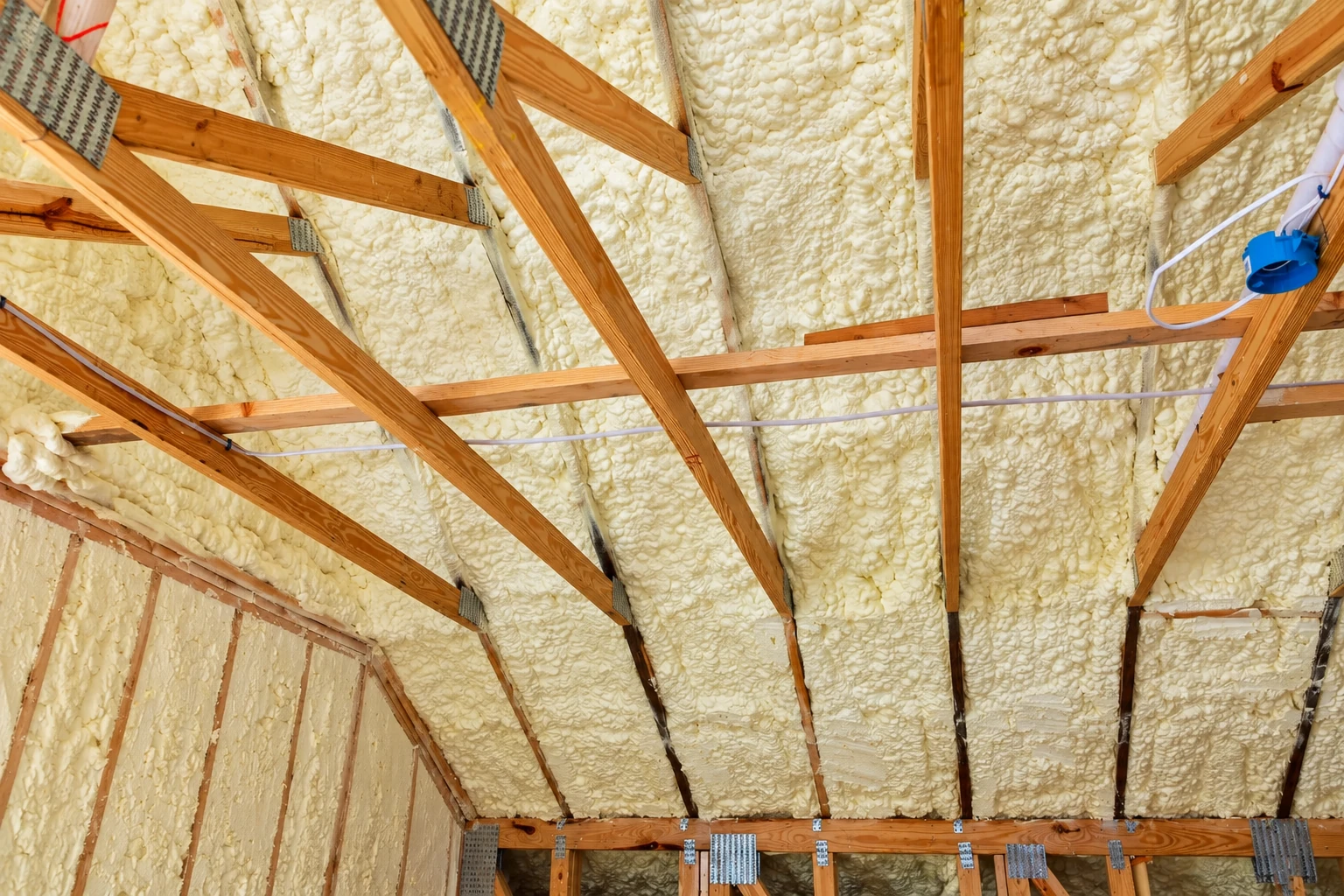
I start by checking the walls for cracks or movement, because insulation shouldn't hide a foundation problem, and covering a wall with structural trouble can hide it or, in some cases, make it worse. If a wall needs work, I'll show you what I found, and you'll want that settled before any insulation goes on. Next we match the method to how much moisture control you want. Then our crew protects your floors and belongings and installs the insulation tight to the wall. Spray foam has to be covered with ignition-barrier paint, a fire-resistant coating, or with drywall, so that covering is part of a foam job and not an extra you hear about later. Then we clean up, and I walk the basement before we call it done.
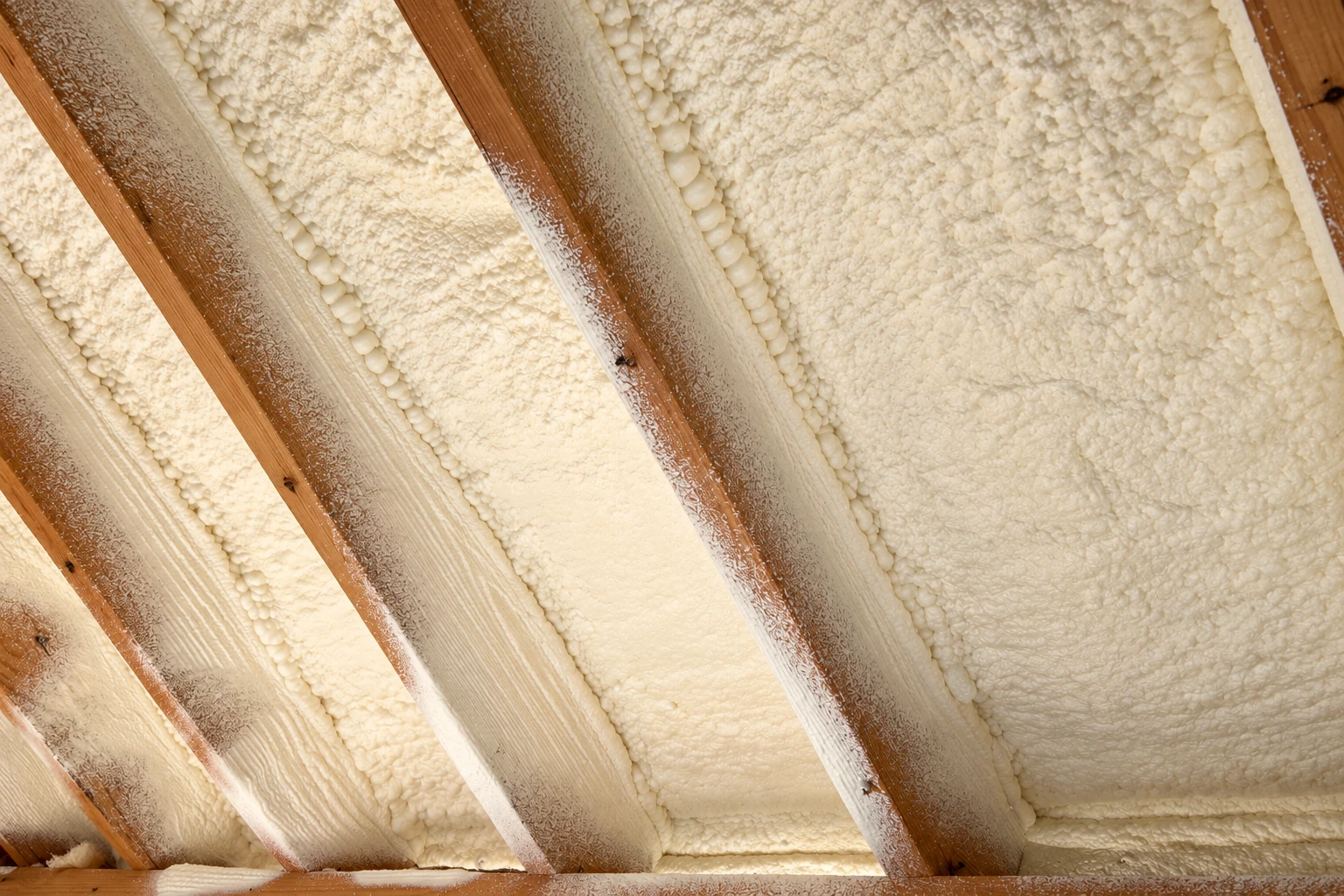
When keeping moisture out is high on your list, we'll usually start with closed-cell foam insulation, the dense spray foam. Where the walls stay drier, open-cell foam insulation is the lighter, softer choice. Foam costs more than fiber, but it seals air while it insulates, and on a basement wall I think that's usually worth paying for.
If the basement is a guest room, office or play space, insulated walls help it hold a steadier temperature, so it feels like part of the house instead of storage.
Insulation does a good job with sound too, which matters when the basement holds a home theater, a workshop or someone sleeping while the rest of the house is up.
If you plan to frame and drywall the basement, the insulation goes in first, because doing it later means tearing out finished walls just to get back to the foundation.
Rigid foam boards can insulate the inside of a basement wall when they're stuck fully to it with no air gaps behind, and every edge and seam is sealed tight.
Send the form and we'll reply within one business day to set a time. I'll come out, look at your walls and give you a free written estimate, with no obligation to go ahead.
If you know roughly how many square feet of basement wall you have, include it, because wall area is the biggest thing that moves the price and it speeds up the estimate.
Note any cracks, bowing or old water marks you've seen on the foundation, so I know which wall to look at first when I come out to check them.
Let us know if the basement is storage, living space or about to be finished, since that shapes how much moisture control the walls need and how they get covered.
These examples show spray foam, rigid foam boards and covered walls, so you can point to the finish and layout you'd like downstairs.
Straight answers to what people ask before they insulate a basement wall, from moisture and materials to licensing and what the work usually costs.
Across the US, basement insulation usually costs about $4.40 to $6.40 per square foot of wall, and that's the going range, not our price. Where your job lands depends on the wall area, the method you pick and whether a wall needs repair first. I measure on site, and your written estimate lists each step in order.
Closed-cell spray foam gives the best moisture control of any insulation used on the inside of a foundation wall, so if moisture is your top worry, start your comparison there. Open-cell foam can work too, but it needs thicker coats to give vapor protection. I'll look at your walls and tell you which one fits.
You can, but fiberglass batts or cellulose should stay out of contact with the foundation wall, so any plan that uses them should show how the material is kept off the bare wall. Ask what goes on the room side too, because federal guidance says to leave a Class I vapor retarder, the plastic-sheet kind that blocks almost all vapor, off that side.
No, insulation needs no maintenance, so once it's on your basement walls there's nothing to schedule or service. If you finish the room over it, you look after those walls like any others, and the insulation behind them just keeps doing its job.
Usually, yes. The state licensing board classes anyone installing insulation for temperature or sound control as an insulation contractor, and unlicensed work is allowed only on jobs under $1,000 that need no permit, with no one employed on the job. We're fully licensed and insured, and we check permits with the office covering your address and pull one when it's needed.
Often not, where a lot sits on the Indio soil type, which drains well or moderately well. Some irrigated areas with a water table do use tile drains to keep the water down, and rain here is rare, but summer storms can be erratic and violent. That's why I check the walls first, in Indio and the Coachella Valley cities around it.
Call (760) 262-0752 any day of the week, early morning to late evening, or send the form whenever it suits you.